Skip to content
China remains the world’s leading hub for apparel manufacturing, offering unmatched production capacity, flexible customization, and competitive pricing. For fashion brands, startups, and private labels, choosing the right OEM clothing manufacturer in China is a critical decision that directly affects product quality, delivery timelines, and long-term brand success.
This ultimate guide will walk you through how to choose the right OEM clothing manufacturer in China, what to look for, common mistakes to avoid, and how to build a reliable manufacturing partnership.
1. What Is an OEM Clothing Manufacturer?
OEM (Original Equipment Manufacturer) clothing manufacturers produce garments based on your designs, specifications, and branding. Unlike ODM factories that offer ready-made designs, OEM manufacturers focus on:
Producing according to your tech packs
Using your selected fabrics and trims
Applying your private label and packaging
Supporting bulk production after sampling
For brands that value design ownership and brand identity, OEM manufacturing is the preferred model.
2. Why Choose an OEM Clothing Manufacturer in China?
China continues to dominate global apparel manufacturing for several key reasons:
✔ Complete Supply Chain
From fabric mills and trim suppliers to dyeing, printing, embroidery, and logistics, China offers a fully integrated apparel ecosystem.
✔ Flexible MOQs
Many Chinese OEM clothing factories support low MOQ, making them ideal for:
Fashion startups
Independent designers
Capsule or seasonal collections
✔ Skilled Workforce
China has decades of experience producing:
Women’s dresses
Fashion tops and skirts
Woven and knit garments
Mid to high-end apparel for EU brands
✔ Cost Efficiency with Quality Options
Contrary to outdated perceptions, China offers both cost-effective and high-quality manufacturing, depending on the factory you choose.
3. Define Your Brand Needs Before Choosing a Factory
Before contacting OEM clothing manufacturers, clarify the following:
Product category (women’s dresses, tops, outerwear, etc.)
Target market (Europe, UK, US, Japan)
Quality level (mass market, mid-range, premium)
Estimated order quantity
Fabric requirements
Compliance standards (EU regulations, REACH, etc.)
Clear positioning helps you quickly filter out unsuitable suppliers.
4. How to Evaluate an OEM Clothing Manufacturer in China
4.1 Experience in Your Product Category
Not all factories are the same. A factory specializing in sportswear may not be suitable for fashion dresses.
Ask:
What product categories do you focus on?
Can you share similar production examples?
Do you work with overseas brands?
4.2 Sampling Capability
Sampling reflects a factory’s true capabilities.
A reliable OEM clothing manufacturer should:
Provide clear sampling timelines
Follow your tech pack accurately
Communicate fabric and construction suggestions
Revise samples professionally
Poor sampling usually leads to poor bulk production.
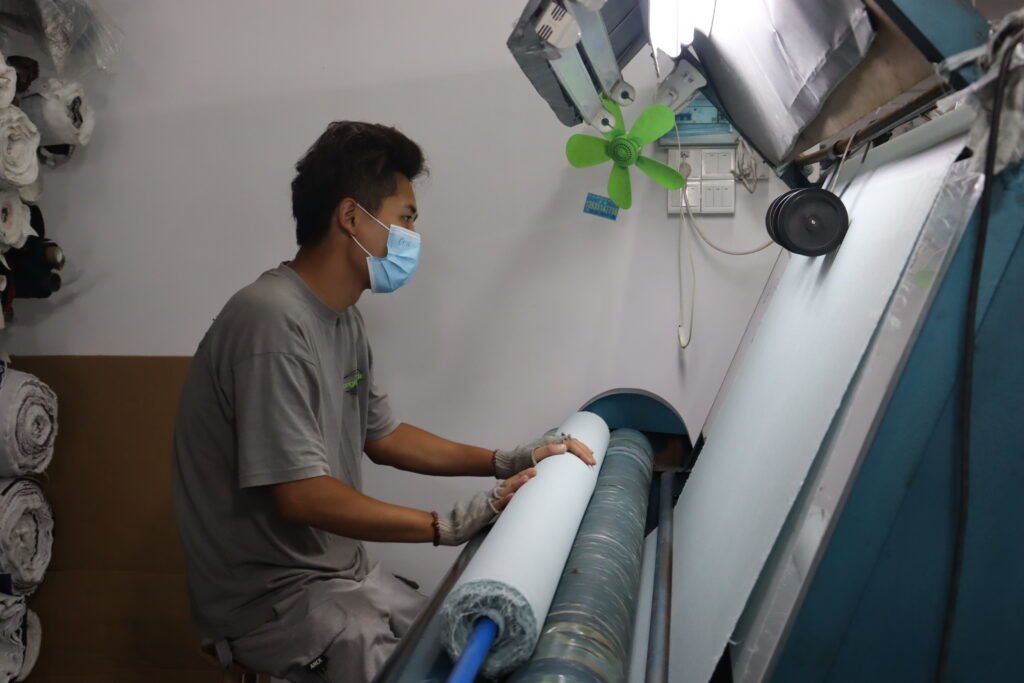
4.3 Quality Control System
Quality issues are one of the biggest risks in overseas sourcing.
Check whether the factory has:
In-house QC team
Fabric inspection before cutting
Inline and final inspections
Clear quality standards and tolerances
Factories serving European brands usually have stricter QC processes.
4.4 Communication & Responsiveness
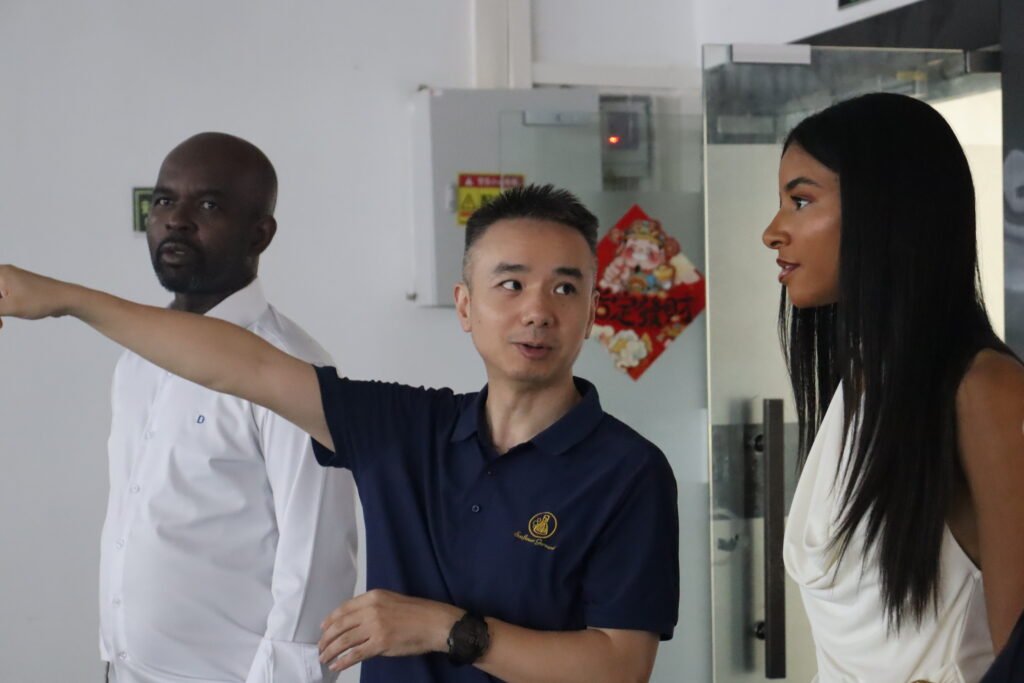
Smooth communication is essential for OEM production.
A good OEM clothing manufacturer will:
Respond clearly and professionally
Communicate in fluent English
Provide realistic timelines
Proactively flag potential issues
Poor communication often causes delays, errors, and extra costs.
5. Compliance and Standards for European Brands
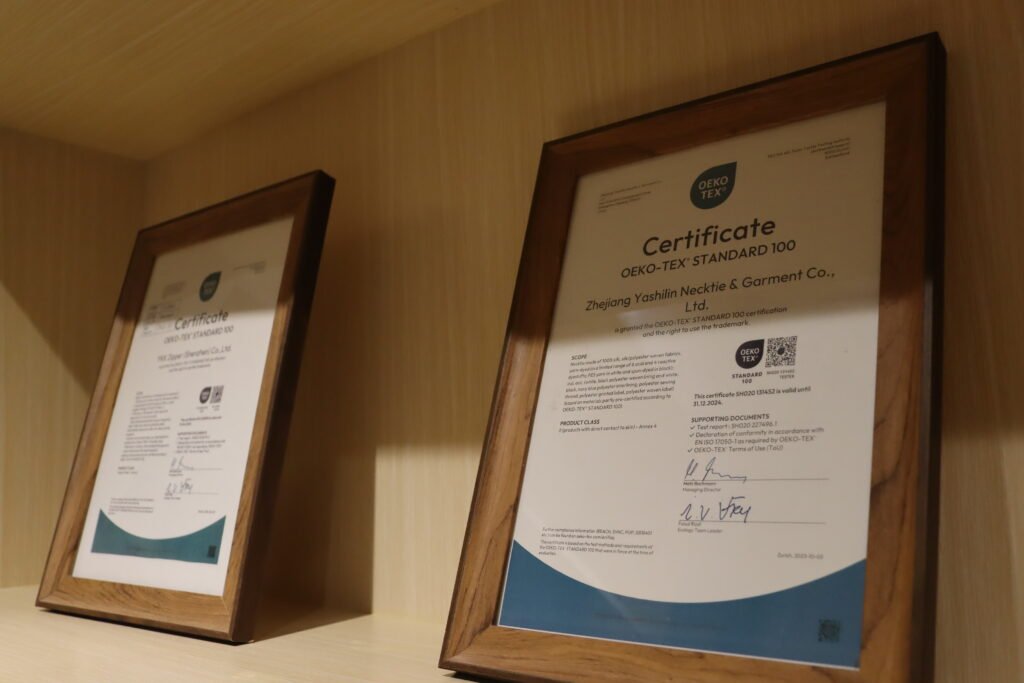
If your brand targets the European market, compliance is non-negotiable.
Ensure your OEM clothing manufacturer understands:
EU REACH regulations
Fabric and chemical safety requirements
Labeling and care instructions
Sustainability expectations (if applicable)
Factories experienced in EU exports will guide you through these requirements.
6. MOQ, Pricing, and Transparency
When comparing OEM clothing manufacturers in China, don’t choose solely based on the lowest price.
Instead, evaluate:
Price breakdown transparency
Fabric vs. labor cost structure
MOQ flexibility
Cost impact of small batch orders
A slightly higher price often delivers:
Better quality
Fewer mistakes
More stable long-term cooperation
7. Red Flags to Avoid When Choosing an OEM Factory
Be cautious if a manufacturer:
Refuses to make samples
Avoids detailed questions
Offers unrealistically low prices
Cannot show past export experience
Changes terms frequently
Choosing the wrong OEM clothing manufacturer can cost far more than switching suppliers later.
8. Building a Long-Term OEM Partnership
Successful brands treat their OEM manufacturer as a strategic partner, not just a vendor.
Best practices include:
Sharing long-term production plans
Providing clear feedback after each order
Maintaining stable communication
Growing order volume gradually
Long-term partnerships result in:
Better pricing
Priority production slots
Improved quality consistency
9. Final Thoughts: Choosing the Right OEM Clothing Manufacturer in China
Choosing the right OEM clothing manufacturer in China is not about finding the cheapest factory—it’s about finding the right fit for your brand.
By focusing on:
Product specialization
Sampling quality
Communication
Quality control
Compliance experience
You can build a reliable manufacturing foundation that supports your brand’s growth in competitive global markets.
With the right OEM partner, China remains one of the most powerful and flexible sourcing destinations for fashion brands worldwide.