Skip to content
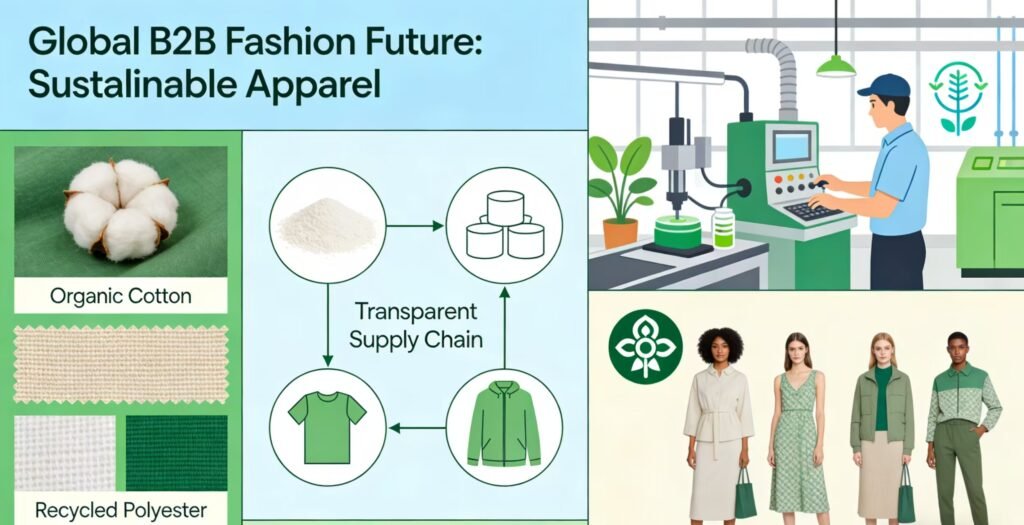
Sustainable clothing is no longer a niche trend—it has become the undeniable future of global B2B fashion. For wholesale buyers, brand owners, and manufacturing partners, sustainable clothing is no longer an optional add-on but a core requirement that shapes supply chains, consumer trust, and long-term profitability. In this guide, we’ll explore why sustainable clothing is the future of global B2B fashion, how it’s transforming the industry, and what steps B2B stakeholders can take to embrace sustainable clothing fully.
At the heart of this shift is consumer demand: today’s shoppers actively seek out sustainable clothing, driving brands to prioritize sustainable clothing in their product lines. For B2B fashion businesses, aligning with sustainable clothing isn’t just a marketing win—it’s a strategic move to secure market share. Sustainable clothing meets the rising expectations of eco-conscious buyers, and sustainable clothing also opens doors to new markets that prioritize ethical production. Sustainable clothing is the future of global B2B fashion because it aligns with both environmental goals and commercial success.
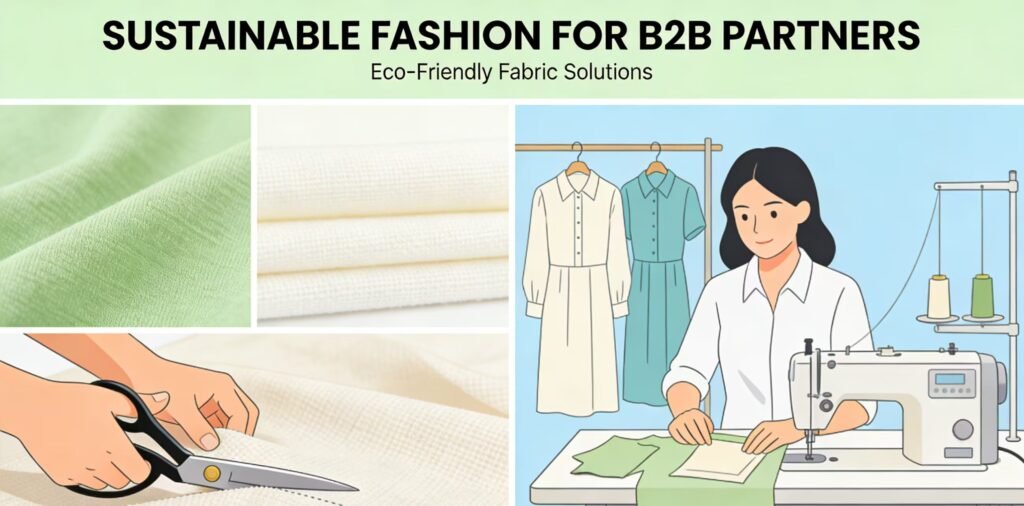
Sustainable clothing relies on eco-friendly materials that reduce the fashion industry’s carbon footprint. From organic cotton and recycled polyester to Tencel and hemp, sustainable clothing uses fibers that minimize water waste, chemical use, and pollution. For B2B suppliers, offering sustainable clothing means investing in these materials, and sustainable clothing production also requires transparent sourcing practices. Sustainable clothing is the future of global B2B fashion because these material choices are not just environmentally responsible—they also appeal to brands that want to tell a clear, authentic sustainability story to their customers.
Beyond materials, sustainable clothing demands ethical manufacturing processes. Sustainable clothing ensures fair wages, safe working conditions, and reduced energy use in factories, which is critical for B2B partnerships built on trust. Brands that source sustainable clothing can highlight these ethical practices in their marketing, and sustainable clothing suppliers that prioritize worker welfare gain a competitive edge. Sustainable clothing is the future of global B2B fashion because it addresses the social and environmental impacts of fast fashion, a crisis that has pushed the industry toward more responsible models.
For B2B buyers, sustainable clothing offers tangible business benefits. Sustainable clothing often commands higher price points, as consumers are willing to pay a premium for eco-friendly products. Sustainable clothing also reduces risk: brands that adopt sustainable clothing are better positioned to comply with upcoming environmental regulations, and sustainable clothing supply chains are more resilient to climate-related disruptions. Sustainable clothing is the future of global B2B fashion because it creates long-term value, rather than the short-term gains of fast fashion.
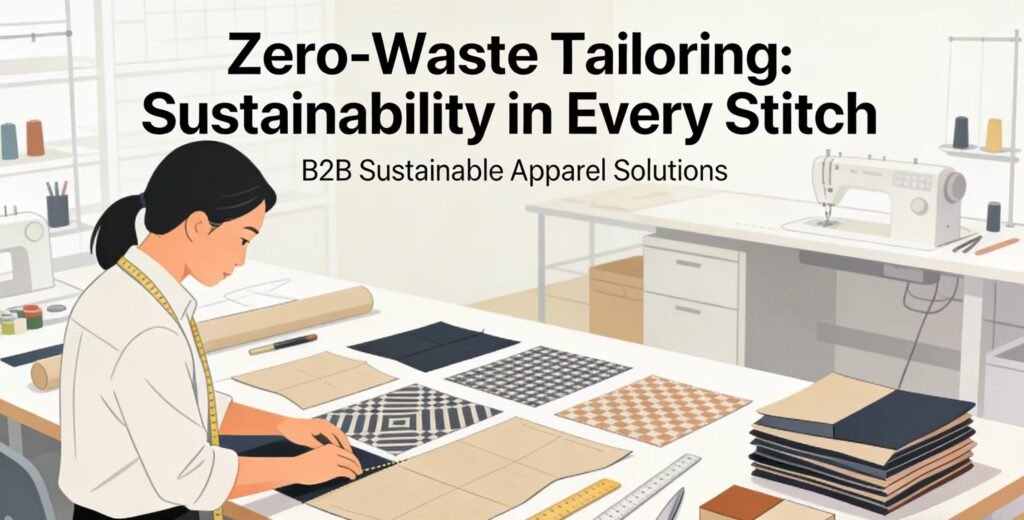
Sustainable clothing also drives innovation in the B2B fashion space. From waterless dyeing techniques to zero-waste pattern cutting, sustainable clothing pushes manufacturers to develop new, more efficient production methods. These innovations not only make sustainable clothing more accessible but also lower costs over time, making sustainable clothing a viable choice for businesses of all sizes. Sustainable clothing is the future of global B2B fashion because it fosters creativity and progress, encouraging the industry to move beyond outdated, wasteful practices.
Transparency is a cornerstone of sustainable clothing. B2B partners that offer sustainable clothing must be able to trace every step of their supply chain, from farm to factory. This transparency builds trust: brands can verify the origins of their sustainable clothing, and consumers can feel confident that their purchases are truly eco-friendly. Sustainable clothing is the future of global B2B fashion because transparency has become a non-negotiable requirement for modern businesses, and sustainable clothing is the only way to meet this demand.
As global regulations around sustainability tighten, sustainable clothing becomes even more essential for B2B fashion. Governments around the world are implementing laws that require brands to report on their environmental impact, and sustainable clothing is the easiest way to comply with these rules. Brands that fail to adopt sustainable clothing risk fines, reputational damage, and lost market access. Sustainable clothing is the future of global B2B fashion because it future-proofs businesses against regulatory changes and consumer expectations.
Sustainable clothing also opens up new B2B collaboration opportunities. Brands, suppliers, and manufacturers are increasingly partnering to develop sustainable clothing lines, sharing resources and expertise to scale sustainable clothing production. These collaborations not only make sustainable clothing more affordable but also create a network of like-minded businesses that support each other’s sustainability goals. Sustainable clothing is the future of global B2B fashion because it unites the industry around a shared purpose: to create fashion that respects people and the planet.
For small and medium-sized B2B businesses, sustainable clothing is no longer out of reach. Advances in technology and supply chain efficiency have made sustainable clothing materials and production more accessible, and many suppliers now offer low-MOQ sustainable clothing options for emerging brands. This accessibility means that even small businesses can embrace sustainable clothing, and sustainable clothing is the future of global B2B fashion because it democratizes sustainability, allowing every player in the industry to contribute to positive change.
Sustainable clothing is also a powerful tool for brand storytelling. B2B brands that offer sustainable clothing can highlight their commitment to the environment in their marketing, creating emotional connections with consumers. This storytelling not only drives sales but also builds brand loyalty, as customers return to brands that align with their values. Sustainable clothing is the future of global B2B fashion because it gives businesses a unique, authentic narrative that resonates with modern consumers.
Looking ahead, sustainable clothing will only become more central to the global B2B fashion industry. As climate change accelerates and consumer awareness grows, sustainable clothing will transition from a trend to a standard. Businesses that prioritize sustainable clothing today will be the leaders of tomorrow, while those that delay risk being left behind. Sustainable clothing is the future of global B2B fashion, and the time to act is now.
In conclusion, sustainable clothing is more than a passing trend—it is the undeniable future of global B2B fashion. Sustainable clothing addresses the environmental and social crises of fast fashion, sustainable clothing drives innovation and profitability, and sustainable clothing aligns with the values of modern consumers and regulators. For B2B fashion stakeholders, embracing sustainable clothing is not just a choice—it is a necessity for long-term success. Sustainable clothing is the future, and the future of global B2B fashion depends on it.