Skip to content
Let’s be real—we’ve all bought clothes that look great on the hanger but feel terrible to wear: scratchy, stiff, too hot, or constantly wrinkled. The issue isn’t the style—it’s the fabric. Choosing the right fabric for each clothing category is the secret to looking good, feeling comfortable, and making your clothes last. Today, we’re breaking this down so you’ll never pick the wrong fabric again.
First, remember: not all fabrics are equal. A fabric perfect for a summer dress will fail for a winter coat, and vice versa. The key is matching a fabric’s properties—breathability, durability, texture—to the clothing’s purpose. Whether you’re shopping for basics, workout gear, formal wear, or loungewear, the right fabric makes or breaks an outfit. Let’s dive into the most common categories and the best fabrics for each.
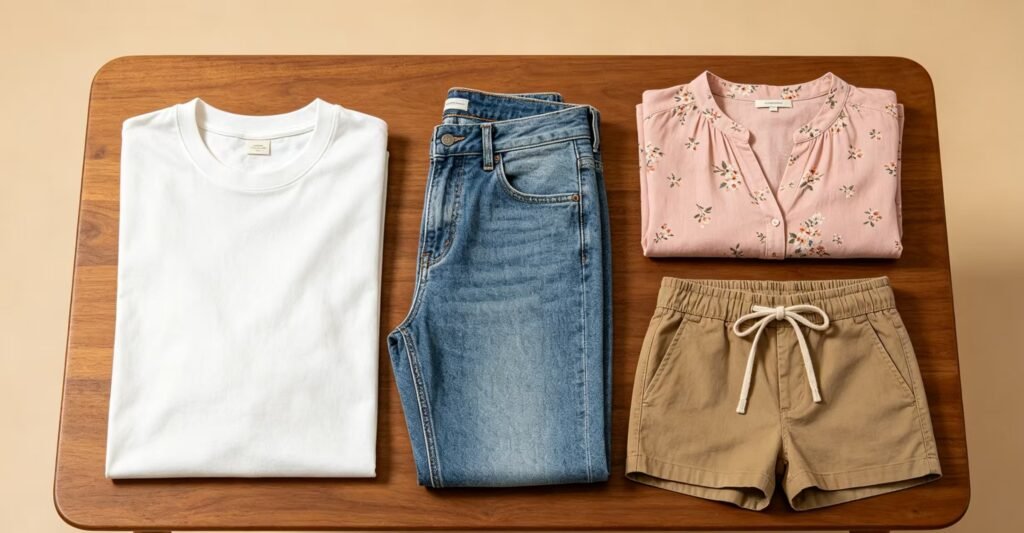
Let’s start with everyday casual wear—t-shirts, jeans, blouses, shorts—pieces you wear daily. Comfort and durability are non-negotiable here, and the best fabric is cotton. Cotton is a soft, breathable natural fiber that’s gentle on skin, keeping you cool in summer and warm in winter when layered. It’s easy to care for (just machine wash and dry) and affordable. Look for 100% cotton or cotton-polyester blends for extra durability, or cotton-spandex for stretch. No matter the casual piece, cotton is a safe, timeless choice.
Next: workout and activewear. When you’re sweating at the gym, running, or doing yoga, you need a fabric that doesn’t trap moisture. That’s where polyester shines. This synthetic fabric is lightweight, moisture-wicking, and quick-drying—unlike cotton, which soaks up sweat and stays damp. It’s also durable, wrinkle-resistant, and often blended with spandex for stretch (essential for movement). For leggings, workout tops, or sports bras, polyester blends keep up with your active lifestyle—even outdoors, as it resists UV rays and holds its shape. Polyester is the reliable fabric for comfortable, focused workouts.
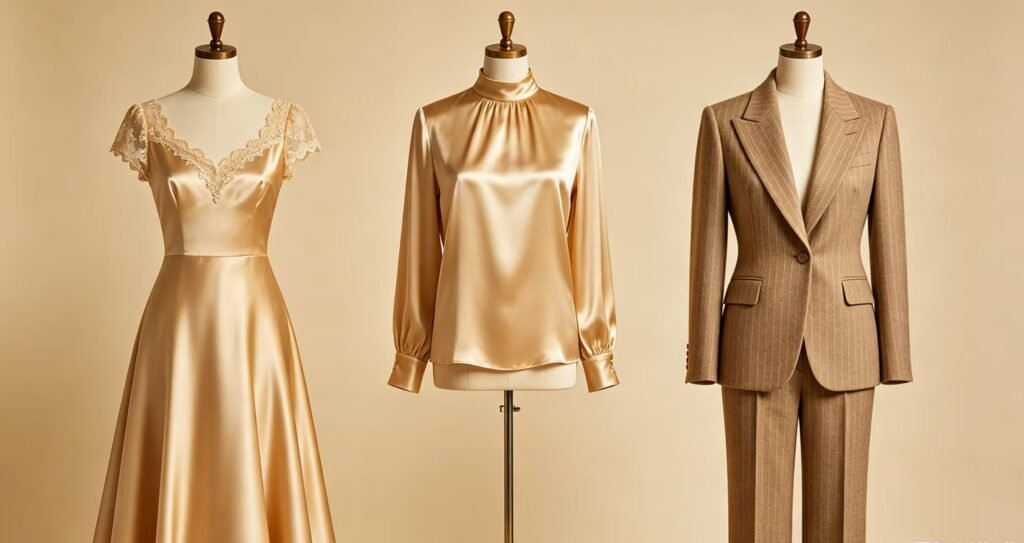
Now, formal wear—dresses, suits, blouses for weddings, work events, or fancy dinners. You want a fabric that’s elegant, drapes well, and holds its shape. Silk is a classic choice: luxurious, soft, and shiny, it elevates any outfit and drapes beautifully for flowy pieces. It’s delicate, though, so best for special occasions. For a more affordable, durable alternative, try satin (often polyester or silk-blend). For formal suits and dress pants, wool is excellent—warm, breathable, and structured. Wool-polyester blends add durability and reduce wrinkles. The right formal fabric keeps you polished and put-together.
Loungewear and sleepwear are all about maximum comfort. Softness and breathability are key, and cotton is again a top pick. Cotton pajamas and loungewear are soft, breathable, and lightweight—perfect for sleep or lazy days. Flannel (a cotton blend) adds warmth for colder months. Modal, made from beechwood pulp, is even softer than cotton, drapes well, and wicks moisture—ideal for sleepwear. Look for fabrics that feel soft and breathable; cotton and modal will keep you comfortable all night or day.
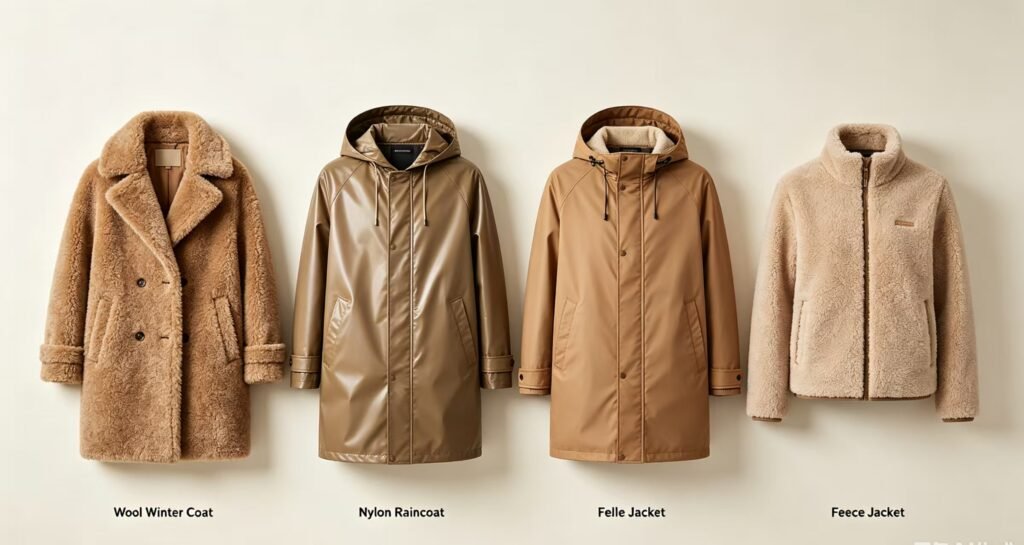
Outerwear—coats, jackets, parkas—needs to keep you warm and protected. Wool is perfect for winter coats: its natural fibers trap heat, and it’s stylish and durable. For cold, wet climates, waterproof fabrics like Gore-Tex or nylon are essential—they’re water-resistant, windproof, and lightweight (great for raincoats). Fleece (a polyester blend) is perfect for mid-layers or casual jackets—soft, warm, and quick-drying. Choose based on your climate: wool for dry cold, waterproof fabrics for wet weather, fleece for milder temps. The right outerwear fabric keeps you protected and stylish.
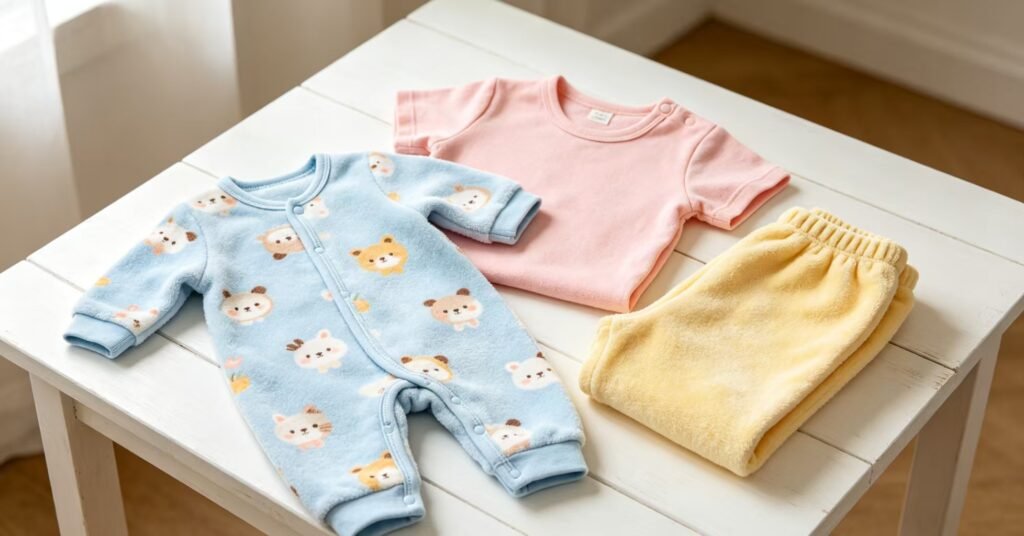
Children’s clothing requires softness, durability, and safety—kids are active, messy, and have sensitive skin. Cotton is the best choice: soft, breathable, non-irritating, and easy to clean (a must for spills and stains). Cotton-spandex blends add stretch for play and extra durability. Avoid harsh synthetics; opt for 100% cotton when possible. Check the fabric label—cotton is gentle, durable, and easy to care for, making it perfect for little ones.
Here are key tips for choosing fabric for any category: 1. Check the fabric label for material and care instructions. 2. Match the fabric to the clothing’s purpose (everyday, workout, etc.) to get the right properties (breathable, moisture-wicking, etc.). 3. Consider the climate—lightweight fabrics like cotton for summer, warm fabrics like wool for winter. 4. Choose a fabric that fits your lifestyle (machine-washable if you hate dry cleaning). 5. Feel the fabric—if it’s scratchy or stiff, it won’t be comfortable to wear.
Recap: Cotton is perfect for casual wear, loungewear, and children’s clothing. Polyester is ideal for activewear. Silk/satin work for formal wear, and wool is great for outerwear and formal suits. Matching fabric to purpose ensures your clothes look good, feel great, and last.
A common mistake: choosing fabric based only on looks. A beautiful silk blouse might be too delicate for daily work—opt for a silk-polyester blend for luxury and durability. Another mistake: ignoring care instructions—washing wool in hot water or drying silk can ruin the fabric, so follow the label.
At the end of the day, the best fabric fits your needs, lifestyle, and style. Whether you prefer natural fabrics (cotton, wool) or synthetics (polyester, satin), there’s a fabric for every wardrobe piece. Follow this guide, and you’ll choose fabric with confidence—no more uncomfortable, ill-fitting clothes. Remember: fabric is just as important as style.
Quick checklist for choosing fabric: 1. Identify the clothing’s purpose. 2. Determine key properties you need. 3. Choose a fabric that matches those properties. 4. Check care instructions. 5. Feel the fabric for comfort. Follow these steps, and you’ll be a fabric expert in no time.
Whether you’re updating your wardrobe, shopping for a special occasion, or buying kids’ clothes, choosing the right fabric is the first step to looking and feeling your best. Each fabric has unique properties—match them to the category, and you’ll have a stylish, functional wardrobe. Next time you shop, check the fabric label—your comfort (and wallet) will thank you. Great clothes start with great fabric, and this guide ensures you’ll never go wrong.