Skip to content
Starting a new clothing brand is an exciting journey filled with creativity, ambition, and vision. However, behind every successful fashion label lies a strong and reliable sourcing strategy. For new brands, sourcing is often the most challenging part of the business—more complex than design, marketing, or even sales.
From finding the right manufacturer to managing quality, costs, and timelines, sourcing mistakes can quickly turn into expensive lessons. In this article, we explore the key sourcing challenges faced by new clothing brands and provide practical solutions to help you build a stable and scalable supply chain.
1. Finding a Reliable Manufacturer You Can Trust
One of the first and biggest hurdles for new clothing brands is identifying the right manufacturing partner.
Many new brands struggle to distinguish between:
Real factories vs. trading companies
Specialized manufacturers vs. general producers
Short-term suppliers vs. long-term partners
Common problems:
Factories unwilling to work with small brands
Limited transparency in production capability
Inconsistent sample and bulk quality
How to overcome this challenge:
Choose manufacturers that specialize in your product category (e.g., dresses, outerwear, knitwear)
Request factory photos, videos, and real production samples
Ask about experience exporting to EU or US markets
Evaluate communication quality, not just price
A good manufacturer should guide you through the process, not just quote a number.
2. Minimum Order Quantities (MOQs) vs. Startup Reality
Most factories are built to handle volume, while new brands operate with limited budgets and cautious inventory planning.
Typical MOQ challenges:
Garment MOQs starting at 300–1000 pieces per style
Fabric MOQs that exceed garment needs
Cash flow pressure from deposits and development costs
Smart strategies:
Look for factories offering low MOQs (30–100 pcs per style)
Ask about stock fabrics or shared materials
Focus on fewer core styles rather than large collections
Start with small test orders before scaling
Factories experienced with emerging brands understand that small beginnings often lead to long-term growth.
3. Fabric Sourcing and Material Knowledge Gaps
Fabric selection plays a critical role in the success of any garment, yet many new brand founders lack technical fabric knowledge.
Common fabric-related issues:
Choosing fabrics that look good but wear poorly
Unexpected shrinkage, pilling, or color fading
Fabric cost exceeding target retail pricing
Fabric unavailability during bulk production
How to avoid fabric mistakes:
Ask your manufacturer for fabric recommendations based on target price
Always review fabric swatches before sampling
Request fabric testing results when necessary
Confirm fabric availability for repeat orders
An experienced supplier should help balance design aesthetics, performance, cost, and sustainability.
4. Sampling Takes Longer and Costs More Than Expected
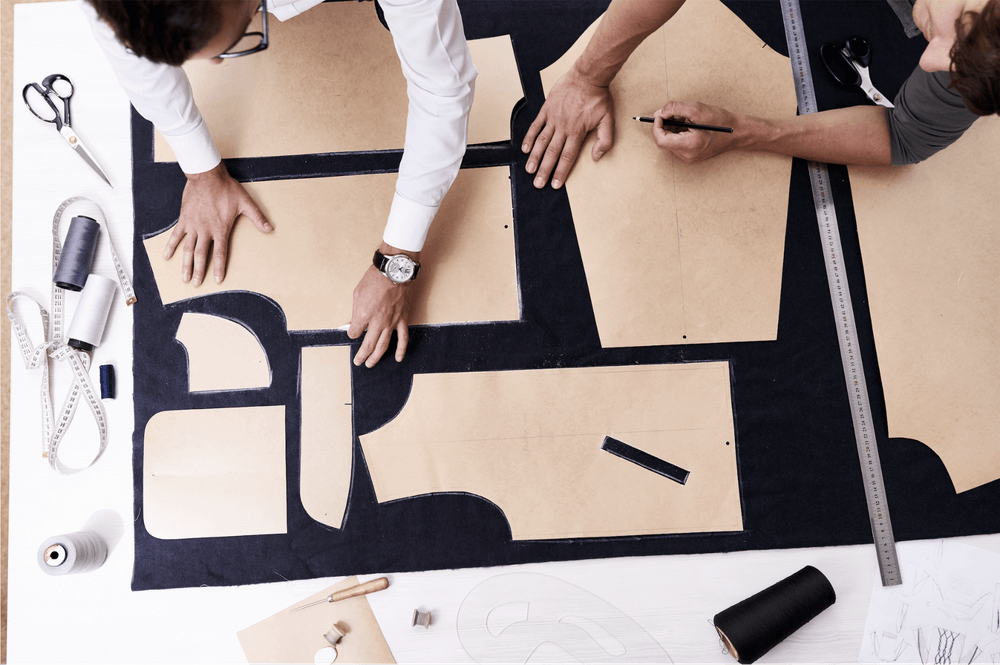
Sampling is often underestimated by new brands. In reality, it is a critical development stage that requires time, patience, and budget.
Sampling challenges include:
Multiple revisions due to unclear tech packs
Fit issues caused by missing size standards
Misinterpretation of construction details
Unexpected sample fees and delays
Best practices for smoother sampling:
Provide clear tech packs, even if simple
Include reference images or competitor styles
Confirm sample timelines and revision limits
Approve a pre-production (PP) sample before bulk
Sampling is an investment that protects your brand from far more expensive bulk production errors.
5. Quality Control and Consistency in Bulk Production

Many new brands assume that bulk production will automatically match the approved sample. Unfortunately, this is one of the most common sourcing misconceptions.
Typical quality issues:
Measurement inconsistencies
Stitching and finishing problems
Fabric shade variations
Poor packaging and labeling
How to maintain quality:
Approve a PP sample as the bulk standard
Define acceptable measurement tolerances
Request inline and final inspections
Work with factories familiar with export-level quality requirements
Strong quality control ensures customer satisfaction and protects your brand reputation.
6. Communication Barriers and Cultural Differences

Sourcing overseas often means dealing with language barriers, time zone differences, and cultural misunderstandings.
Common communication problems:
Delayed responses
Misunderstood instructions
Different expectations of quality standards
Lack of proactive updates
How to improve communication:
Choose suppliers with English-speaking merchandisers
Communicate visually using photos, videos, and annotations
Confirm key points in writing
Establish clear timelines and response expectations
Clear communication reduces errors, delays, and frustration on both sides.
7. Compliance, Labeling, and Market Regulations
Many new brands focus heavily on design and price, while overlooking compliance requirements until it’s too late.
Potential compliance risks:
Incorrect care labels or fiber content
Missing safety or testing documentation
Non-compliance with EU or US regulations
Customs delays or shipment rejection
How to stay compliant:
Work with factories experienced in your target market
Confirm labeling requirements early in development
Ask about required testing for fabrics or trims
Keep compliance part of your sourcing checklist
Compliance is not optional—it’s essential for brand credibility and long-term success.
8. Logistics, Shipping, and Hidden Costs
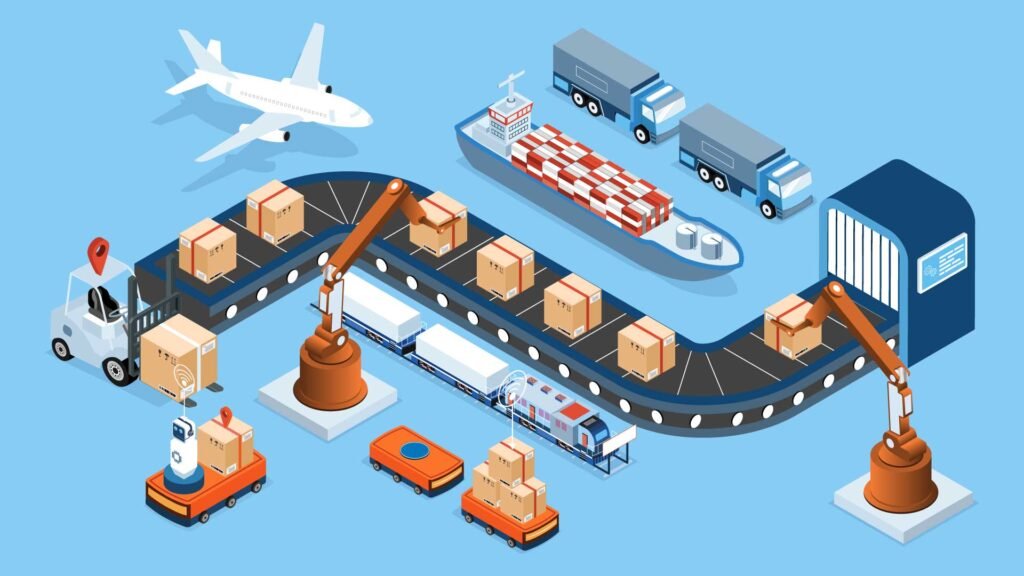
Production doesn’t end when garments are finished. Logistics can create unexpected challenges and costs for new brands.
Common logistics issues:
Rising freight costs
Long shipping lead times
Customs clearance delays
Damage caused by poor packing
Practical solutions:
Clearly define Incoterms (EXW, FOB, DDP)
Discuss packing standards in advance
Align production schedules with shipping timelines
Work with suppliers experienced in international shipping
Planning logistics early helps avoid costly last-minute surprises.
Conclusion: Build a Sourcing Partnership, Not Just a Supply Chain
For new clothing brands, sourcing is not a one-time transaction—it’s a long-term strategy. The right manufacturing partner will help you navigate challenges, reduce risks, and scale sustainably.
A strong supplier relationship provides:
Technical guidance
Cost optimization
Quality consistency
Faster development cycles
By understanding and preparing for these sourcing challenges, new clothing brands can avoid common pitfalls and build a solid foundation for growth in a competitive global fashion market.