Skip to content
Suede has long been associated with luxury, elegance, and timeless fashion. From classic suede jackets and skirts to modern footwear and accessories, this soft, velvety material continues to be a favorite in both high-end and contemporary wardrobes. But is suede really a practical choice for everyday clothing?
In this article, we’ll explore the pros and cons of clothes made from suede, helping fashion brands, designers, and consumers understand when suede is worth the investment—and when it might not be the best option.
What Is Suede Fabric?
Suede is a type of leather made from the underside of animal hides, typically lamb, goat, calf, or deer. Unlike full-grain leather, suede has a soft, brushed surface that gives it a distinctive matte finish and luxurious feel.
Because of its texture and appearance, suede is widely used in:
Jackets and coats
Skirts and pants
Dresses
Footwear and accessories
Pros of Clothes Made from Suede
1. Luxurious Look and Feel
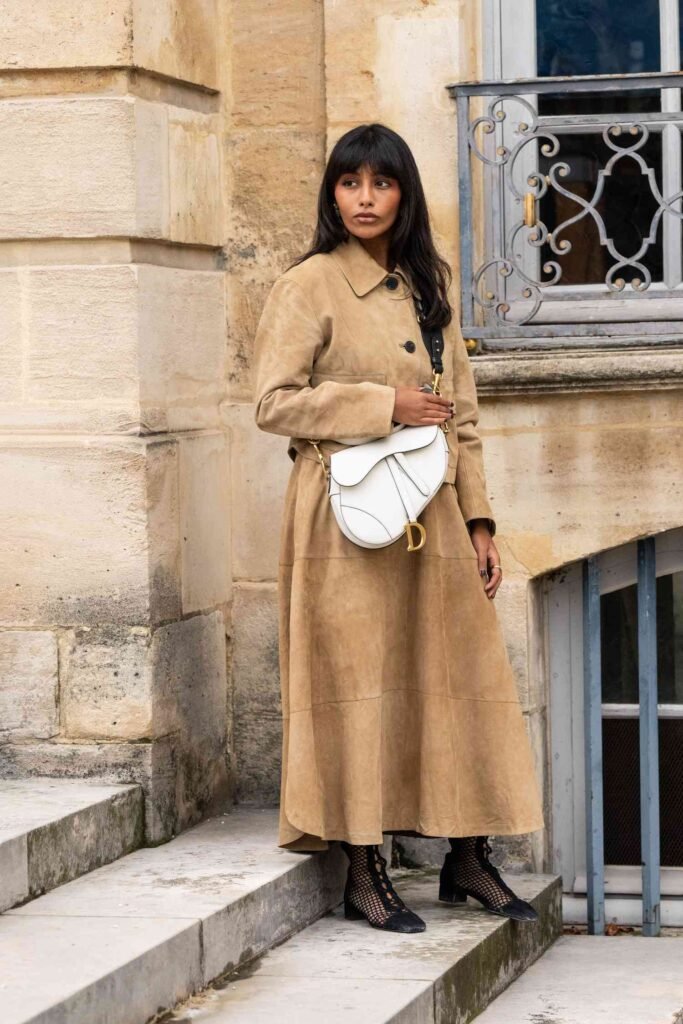
One of the biggest advantages of suede clothing is its premium aesthetic. The soft nap and muted sheen give suede garments a refined, elegant appearance that instantly elevates an outfit.
For fashion brands targeting mid-to-high-end markets, suede is often seen as a symbol of craftsmanship and quality.
2. Soft and Comfortable to Wear
Compared to traditional leather, suede is lighter and more flexible, making it more comfortable for garments that require movement, such as jackets, skirts, and pants.
Its softness allows suede clothing to:
Drape naturally
Feel gentle against the skin
Break in quickly with wear
3. Excellent Breathability
Suede is more breathable than full-grain leather, especially when made from lamb or goat hide. This makes it suitable for:
Transitional seasons (spring and autumn)
Indoor and mild outdoor use
4. Timeless Fashion Appeal
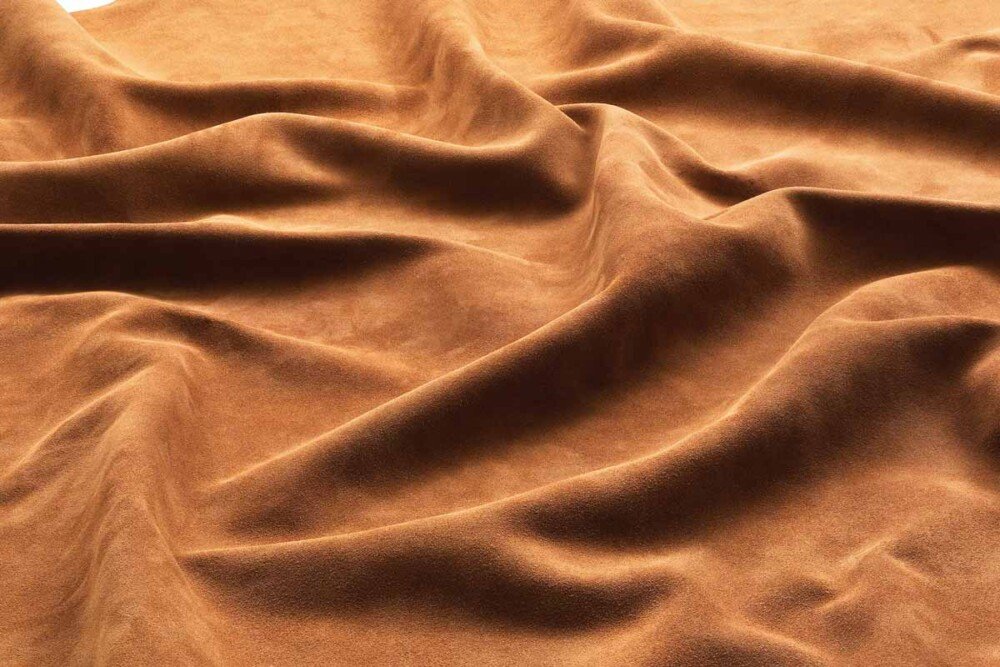
Suede never truly goes out of style. From 1970s bohemian fashion to modern minimalist collections, suede garments remain relevant across decades.
Popular evergreen suede items include:
Suede biker jackets
A-line skirts
Suede blazers
This timeless quality makes suede clothing a strong long-term investment.
5. Rich Color Absorption
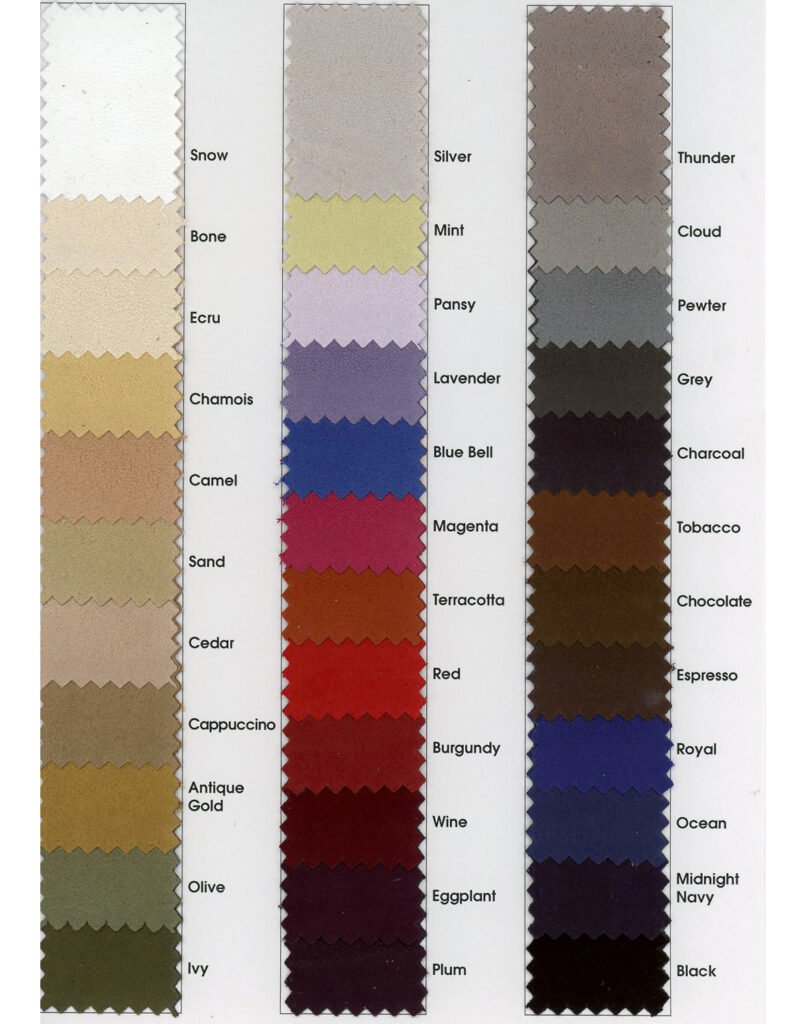
Suede absorbs dyes exceptionally well, resulting in deep, rich, and earthy tones such as:
Camel
Olive
Burgundy
Navy
Chocolate brown
These colors add depth and sophistication, especially in autumn and winter collections.
Cons of Clothes Made from Suede
While suede offers undeniable style benefits, it also comes with several limitations that should be carefully considered.
1. Difficult to Clean and Maintain
One of the biggest drawbacks of suede clothing is that it is high-maintenance. Unlike smooth leather, suede:
Stains easily
Absorbs liquids quickly
Cannot be cleaned with water
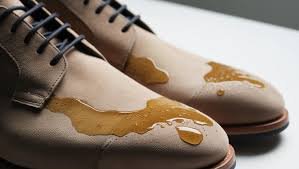
Oil, rain, and dirt can permanently damage suede if not treated properly.
2. Poor Water Resistance
Suede performs poorly in wet conditions. Exposure to rain or snow can cause:
Dark water stains
Hardening of the fabric
Loss of the soft nap
This makes suede clothing impractical for regions with frequent rain or for everyday outdoor wear.
3. Less Durable Than Full-Grain Leather
Although suede is made from genuine leather, it is less durable than full-grain or top-grain leather because it comes from the inner layer of the hide.
Over time, suede garments may:
Show wear in high-friction areas
Lose their texture
Become thin or damaged
4. Not Ideal for Daily Wear
Because of its delicate nature, suede is better suited for occasional or statement pieces rather than everyday clothing.
Items like:
Daily work trousers
Children’s clothing
Activewear
are generally not practical in suede.
5. Higher Cost
High-quality suede garments—especially those made from lamb or calf suede—can be expensive. In addition to the material cost, maintenance products and professional cleaning further increase the total cost of ownership.
For brands, this also means:
Higher production costs
More careful quality control
Higher retail price points
When Is Suede a Good Choice for Clothing?
Suede is an excellent option when:
The garment is designed for style over utility
The target customer values luxury and texture
The climate is relatively dry
The piece is worn occasionally
Popular use cases include:
Fashion-forward jackets
Seasonal collections
Premium capsule lines
Final Thoughts: Is Suede Worth It?
Clothes made from suede offer a unique combination of elegance, softness, and timeless appeal, making them a standout choice in fashion collections. However, suede’s sensitivity to water, higher maintenance needs, and limited durability mean it’s not suitable for every lifestyle or application.
For brands and consumers alike, the key is using suede strategically—in designs where its beauty can shine without being compromised by daily wear or harsh conditions.
When chosen wisely and cared for properly, suede clothing can be a truly luxurious addition to any wardrobe.