Skip to content
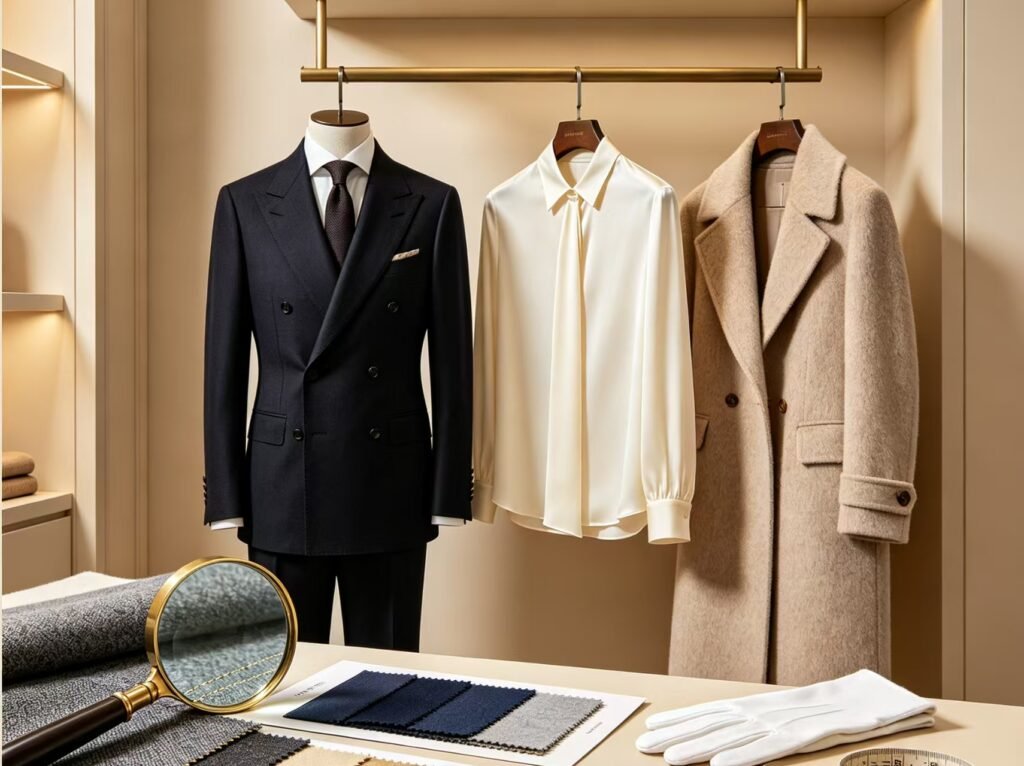
Many shoppers mistake high price tags and famous brand logos for true luxury quality. In reality, genuine luxury apparel stands apart from fast fashion and mid-tier pieces thanks to meticulous luxury apparel craftsmanship and fabric durability. Learning how to evaluate luxury apparel craftsmanship and fabric durability helps you invest in timeless, long-lasting wardrobe staples instead of disposable trendy pieces. Whether you are shopping for designer dresses, tailored blazers, or premium outerwear, mastering how to assess luxury apparel craftsmanship and fabric durability ensures every purchase delivers exceptional value, wearability, and longevity. In this comprehensive guide, we break down actionable, expert-backed tips to accurately judge luxury apparel craftsmanship and fabric durability like a fashion industry professional.
Why Evaluating Luxury Apparel Craftsmanship & Fabric Durability Matters
First and foremost, luxury clothing is defined by longevity, not aesthetics alone. Fast fashion pieces fade, stretch, fray, and lose their shape after a handful of wears, while pieces with superiorluxury apparel craftsmanship and fabric durability retain their fit, color, and structure for years, even decades. Moreover, understanding how to check luxury apparel craftsmanship and fabric durability saves you money in the long run. Instead of frequently replacing low-quality garments, you build a curated wardrobe of timeless pieces that improve with age. Additionally, assessing luxury apparel craftsmanship and fabric durability helps you avoid counterfeit luxury goods, as fake designer items always cut corners on construction and fabric quality. Ultimately, the ability to judge luxury apparel craftsmanship and fabric durability is the key to smart, sustainable luxury fashion investing.
Part 1: How to Inspect Luxury Apparel Craftsmanship
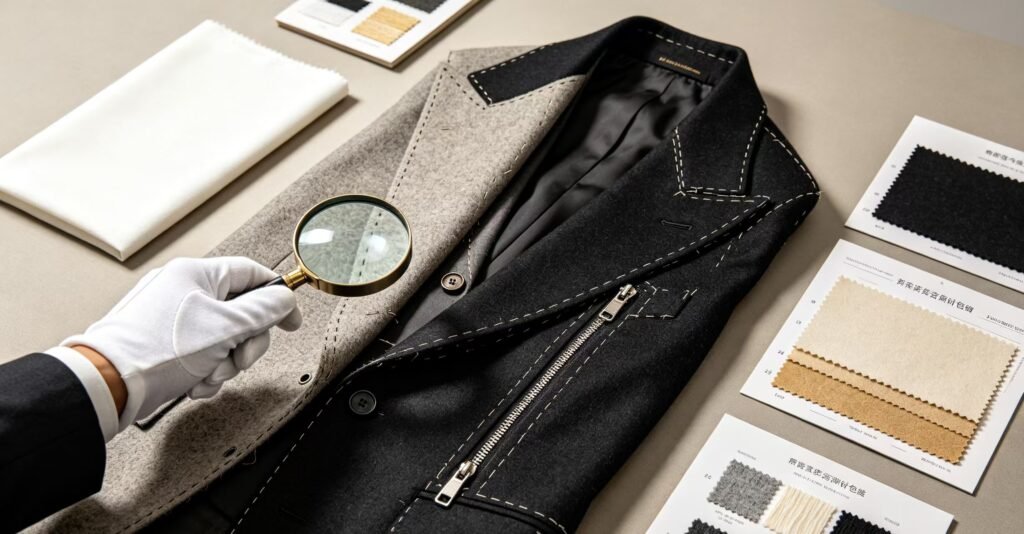
While premium fabrics form the foundation of great luxury wear, exceptional luxury apparel craftsmanship and fabric durability cannot exist without precise, intentional construction. Craftsmanship refers to every hand-finished and machine-sewn detail that shapes a garment’s structure, fit, and resilience. Below are the core craftsmanship checks to evaluate luxury apparel craftsmanship and fabric durability effectively.
1. Examine Stitch Density and Consistency
Stitching is the most obvious marker of refined luxury apparel craftsmanship and fabric durability. Professional luxury manufacturers follow a strict stitches-per-inch (SPI) standard, with high-end tailored pieces boasting 10–12 SPI, far denser than the 8 SPI or less used in fast fashion. When you evaluate luxury apparel craftsmanship and fabric durability, look for straight, uniform stitches with no skipped seams, loose threads, or uneven tension. Dense, consistent stitching distributes wear stress evenly, preventing seam splitting and fabric warping over time. In contrast, sparse, messy stitching instantly weakens luxury apparel craftsmanship and fabric durability, no matter how premium the fabric appears.
2. Check Interior Finishing Quality
A key rule of luxury fashion: high-quality garments look as polished on the inside as they do on the outside, and this detail directly boosts luxury apparel craftsmanship and fabric durability. When evaluating luxury apparel craftsmanship and fabric durability, flip the garment inside out to inspect finished seams, clean hems, and smooth lining work. True luxury pieces feature fully enclosed seams, no raw edges, and neatly trimmed excess thread. Raw, unfinishing edges rub against skin and laundry cycles, causing premature fraying and damage that ruins luxury apparel craftsmanship and fabric durability. Well-finished interiors also enhance comfort and maintain the garment’s original shape through repeated wears and washes.
3. Assess Hardware and Stress Point Reinforcement
Zippers, buttons, snaps, and pocket seams are high-stress areas that test luxury apparel craftsmanship and fabric durability. Authentic luxury garments use custom, heavy-duty hardware that glides smoothly, fastens securely, and never rusts or breaks easily. When you evaluate luxury apparel craftsmanship and fabric durability, tug gently on buttons and zippers to confirm they are firmly stitched with reinforced threading. Luxury craftsmanship also reinforces stress points like cuffs, waistbands, and pocket openings with extra stitching. This small but critical detail drastically extends the garment’s lifespan and solidifies reliable luxury apparel craftsmanship and fabric durability, while low-quality pieces skip reinforcement to cut production costs.
4. Verify Pattern and Panel Alignment
Precise pattern alignment is a hallmark of meticulous luxury apparel craftsmanship and fabric durability. For printed, striped, or plaid luxury garments, every fabric panel must line up perfectly at the seams with no mismatched lines or broken patterns. When checking luxury apparel craftsmanship and fabric durability, scan the shoulder seams, side seams, and waist seams for consistent pattern flow. Misaligned patterns signal rushed, low-quality manufacturing that compromises structural integrity. Proper alignment not only elevates visual elegance but also ensures balanced fabric tension, preserving luxury apparel craftsmanship and fabric durability during movement and wear.
Part 2: How to Test Luxury Fabric Durability
Even the most flawless craftsmanship cannot save a low-quality fabric, so evaluating fabric performance is half the battle of judging luxury apparel craftsmanship and fabric durability. Luxury fabrics are selected for their density, resilience, color fastness, and shape retention. Use these hands-on tests to measure luxury apparel craftsmanship and fabric durability before making a purchase.
1. Test Fabric Density and Weight
Premium luxury fabrics feature dense, substantial weight that correlates directly withluxury apparel craftsmanship and fabric durability. Thin, flimsy fabrics with loose weaves tear, sheer easily, and wear out quickly. When you evaluate luxury apparel craftsmanship and fabric durability, hold the garment up to light: high-quality wool, silk, cotton, and cashmere will not show excessive transparency. Additionally, squeeze the fabric gently—luxury materials bounce back instantly without wrinkling permanently, while low-density fabrics crease deeply and lose their structure. Thick, tightly woven fabrics deliver superior abrasion resistance, boosting long-term luxury apparel craftsmanship and fabric durability.
2. Check Color and Dye Fastness
Fading and color bleeding are common signs of poorluxury apparel craftsmanship and fabric durability. Authentic luxury apparel uses premium, colorfast dyes that withstand washing, sunlight exposure, and friction. To test luxury apparel craftsmanship and fabric durability, rub a clean white damp cloth firmly against the fabric surface. If no color transfers to the cloth, the dye is high-quality and long-lasting. Luxury fabrics also resist sun fading, maintaining their original hue for years. In comparison, counterfeit and mass-produced luxury knockoffs use cheap dyes that fade rapidly, destroying the garment’s aesthetic and diminishing luxury apparel craftsmanship and fabric durability.
3. Evaluate Stretch and Shape Retention
Superior shape retention is a core feature of strong luxury apparel craftsmanship and fabric durability. Many modern luxury blends offer subtle stretch for comfort, but they must never stretch out permanently. When assessing luxury apparel craftsmanship and fabric durability, gently pull the fabric horizontally and vertically. Premium luxury fabrics will snap back to their original form immediately. Low-quality fabrics stay stretched out, becoming baggy and misshapen after just a few wears. This shape retention quality ensures your luxury apparel fits perfectly for years, proving robust luxury apparel craftsmanship and fabric durability.
4. Inspect Pilling and Abrasion Resistance
Pilling is one of the biggest enemies of luxury apparel longevity, and resistance to pilling defines excellent luxury apparel craftsmanship and fabric durability. High-end cashmere, wool, and cotton are processed to resist loose fiber buildup. To test luxury apparel craftsmanship and fabric durability, rub the fabric surface briskly with your palm for 10–15 seconds. Genuine luxury fabric will not form tiny fabric pills. Low-quality luxury alternatives pill heavily with minimal friction, looking worn and outdated quickly. Durable, well-processed fabrics retain a smooth, polished surface, upholding luxury apparel craftsmanship and fabric durability over countless wears.
Part 3: Pro Tips to Confirm Long-Term Luxury Quality
To fully validate luxury apparel craftsmanship and fabric durability, combine instant in-store checks with long-term quality indicators. First, review fabric care labels: genuine luxury fabrics list specific, precise material compositions (100% Supima cotton, pure merino wool, mulberry silk) instead of vague generic terms. Second, consider cost-per-wear: pieces with excellent luxury apparel craftsmanship and fabric durability cost more upfront but deliver far better value by lasting decades. Finally, prioritize timeless designs over fast luxury trends, as classic silhouettes paired with solid luxury apparel craftsmanship and fabric durability remain wearable and stylish for years.
Final Thoughts
At the end of the day, true luxury fashion is never about logos or price tags—it is about uncompromising luxury apparel craftsmanship and fabric durability. By learning to inspect stitching, interior finishing, hardware quality, fabric density, color fastness, and shape retention, you can confidently evaluateluxury apparel craftsmanship and fabric durability like an expert shopper. These simple, effective checks help you invest in authentic, timeless luxury pieces that stand the test of time, avoid low-quality knockoffs, and build a sustainable, high-value wardrobe centered on genuine quality luxury apparel craftsmanship and fabric durability.