Skip to content
If you’re in the fashion industry—whether you’re a brand owner, boutique buyer, or entrepreneur launching a women’s clothing line—knowing how to distinguish ordinary and high-end women clothing factories is critical to your success. The factory you choose isn’t just a supplier; it’s a partner that impacts your product quality, brand reputation, and profit. But with so many factories claiming to be “high-end,” it’s easy to get fooled. How do you spot a genuine high-end women clothing factory vs. an ordinary one putting on a show? This blog breaks it down with practical tips, no jargon—so you can make smart choices. By the end, you’ll spot a high-end women clothing factory at a glance and avoid ordinary factory pitfalls.
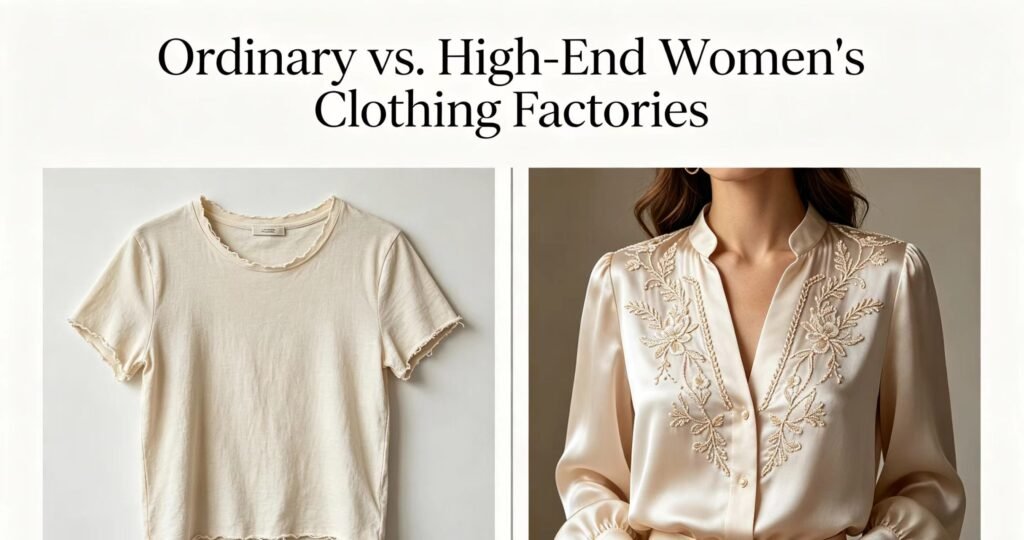
First, let’s clarify the basics. An ordinary women clothing factory focuses on mass production, cutting corners to keep costs low and prioritizing quantity over quality—think cheap fabrics, uneven stitching, and garments that fall apart quickly. A high-end women clothing factory, however, centers on craftsmanship: it uses premium materials, pays attention to every detail, and treats each garment like a work of art. The difference is in the entire process, not just the finished product. For luxury or mid-high-end brands, choosing a high-end women clothing factory that aligns with your vision is non-negotiable.
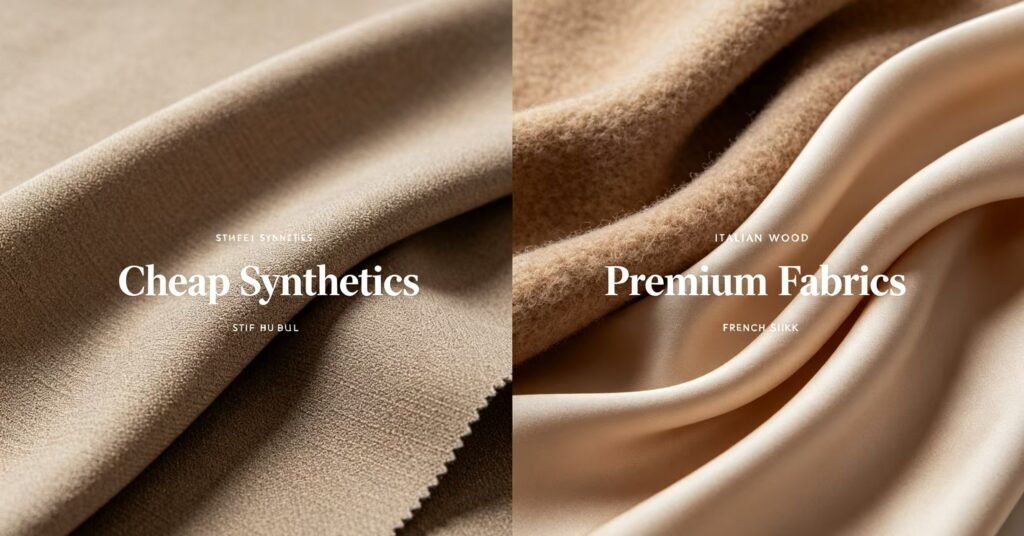
One of the simplest ways to spot a high-end women clothing factory is by its materials. A high-end women clothing factory always uses premium fabrics—Italian wool, French silk, Japanese tencel, organic cotton, or high-grade linen—that feel luxurious, last longer, and drape beautifully. Unlike ordinary factories, which use cheap synthetic fabrics, a high-end women clothing factory avoids blends or imitations that feel stiff or look cheap. Trims matter too: a high-end women clothing factory uses genuine leather buttons, YKK zippers, or hand-embroidery, while ordinary factories opt for low-cost plastic trims that break or fade.
Beyond materials, craftsmanship defines a high-end women clothing factory. A high-end women clothing factory hires skilled artisans with years of experience, ensuring even stitching, clean seams, and durable hems—no loose threads or fraying. In contrast, ordinary factories use unskilled labor and rush production, leading to uneven stitching and weak seams. For example, a high-end women clothing factory uses 6-8 even stitches per inch for durability, while an ordinary factory uses 3-4 to save time, resulting in tears.
Moreover, a high-end women clothing factory invests in advanced technology to ensure consistency, without sacrificing craftsmanship. A high-end women clothing factory uses computerized pattern-making, 3D fit testing, and precise cutting machines to reduce waste and ensure consistent sizing. It also has dedicated quality control (QC) teams that inspect garments at every stage. Ordinary factories, though, use outdated equipment, skip QC, and prioritize speed—leading to inconsistent sizes, misaligned patterns, and frequent defects.
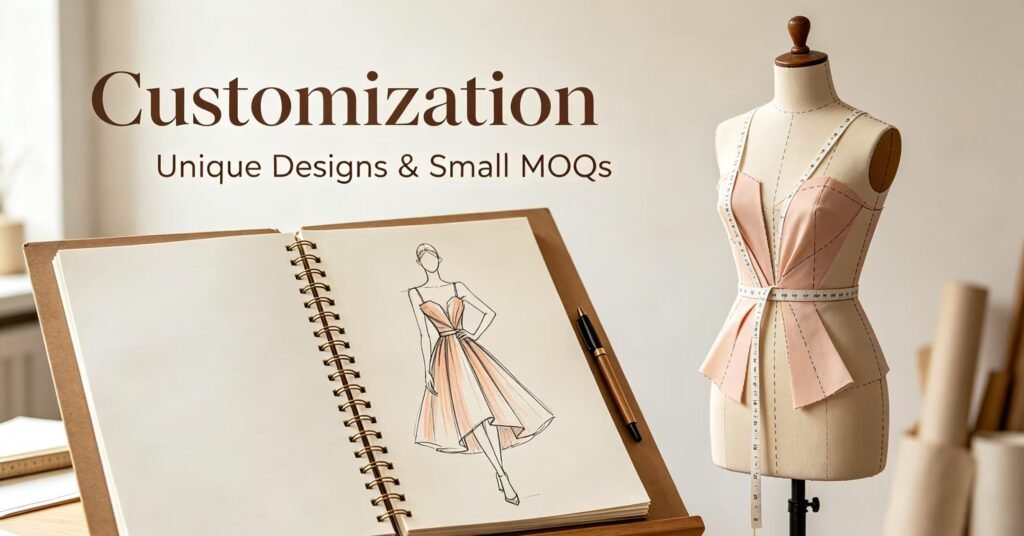
Another key difference is customization. A high-end women clothing factory has an in-house design team to create unique designs or adapt existing ones, understanding women’s fit nuances to flatter all body types. A high-end women clothing factory also offers small MOQs (100 pieces per style/color) to support small brands. Ordinary factories, however, offer generic designs, high MOQs (1,000+ pieces), and little customization—making them impossible for startups.
Transparency is another trait of a high-end women clothing factory. A reputable high-end women clothing factory is open about its fabric sources, facilities, and QC standards, providing clear quotes with no hidden fees. It communicates regularly throughout production, updating you on progress. Ordinary factories hide their processes, give vague pricing, and cut corners without notice—leading to delays, poor quality, and hidden costs.
Let’s use a real example: if you’re sourcing silk dresses, a high-end women clothing factory uses 100% pure silk, precise pattern-making, skilled seamstresses, and multiple QC checks. It may offer custom necklines or hems and a clear timeline. An ordinary factory uses cheap silk blends, skips QC, and offers no customization—resulting in ill-fitting, low-quality dresses that damage your brand. Working with a high-end women clothing factory protects your credibility.
When vetting a factory, look at its environment: a high-end women clothing factory is clean, organized, with dedicated areas for cutting, sewing, and QC, and happy, skilled workers. Ordinary factories are messy, overcrowded, and rush workers. Ask for samples: a high-end women clothing factory’s samples showcase craftsmanship, while ordinary factories’ samples have visible defects. Don’t hesitate to ask questions—a high-end women clothing factory answers honestly and provides references, while ordinary factories dodge questions.
Specialization also matters. A high-end women clothing factory often specializes in specific garments (dresses, knitwear) and excels at them, while ordinary factories try to do everything and fail. For knitwear, a high-end women clothing factory uses quality yarns and avoids pilling, while ordinary factories cut corners. Choosing a specialized high-end women clothing factory ensures top quality.
Price is an investment, not an expense. A high-end women clothing factory charges more, but its garments last longer, resonate with customers, and build brand loyalty. A $150 dress from a high-end women clothing factory will be worn for years, while a $50 dress from an ordinary factory falls apart quickly—costing you returns and damaged reputation.
Sustainability is also key. Today’s consumers care about ethics, and a high-end women clothing factory prioritizes eco-friendly materials, waste reduction, and fair labor—often with GOTS or Fair Trade certifications. Ordinary factories prioritize cost over sustainability, using harmful chemicals and exploiting workers, which hurts your brand.
To summarize: a high-end women clothing factory uses premium materials, skilled craftsmen, advanced tech, offers customization, is transparent, specializes in quality, and prioritizes sustainability. An ordinary factory uses cheap materials, unskilled labor, outdated equipment, and ignores sustainability. Keep this in mind to choose the right partner.
In conclusion, distinguishing ordinary and high-end women clothing factories is essential for fashion success. A perfect example of a high-end women clothing factory is Elisun Garment, embodying all top-tier traits. With 7+ years serving premium European brands (Marjo, Lichi, Vera Stella), Elisun Garment uses premium fabrics, strict craftsmanship, and tailored customization. We offer reliable OEM/ODM, double QC (defect rate <1%), flexible MOQs, and certifications (BSCI, GRS, Oeko-Tex®). Our team supports you from design to delivery. Don’t settle for ordinary—invest in a high-end women clothing factory that shares your quality commitment. Visit elisungarment.com to learn more and elevate your women’s clothing line.