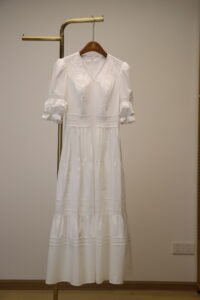
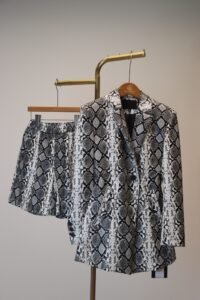
The wholesale spring fashion season is one of the most important buying periods for boutique owners. Spring collections often set the tone for the entire year, influencing sales performance, brand image, and customer loyalty. Proper preparation can help your boutique secure the right products, negotiate better terms, and stay ahead of trends while minimizing inventory risks.
In this guide, we’ll walk you through how to prepare your boutique for the wholesale spring fashion season, from trend research and budgeting to supplier selection and merchandising—so you can maximize profits and make confident buying decisions.
1. Analyze Last Spring’s Sales Performance
Before looking forward, start by looking back.
Review your previous spring season data to understand:
Best-selling categories (dresses, blouses, outerwear, etc.)
Top colors, fabrics, and silhouettes
Price points that performed well
Slow-moving or overstocked items
Use this data to identify patterns. For example, if lightweight dresses in neutral tones sold quickly while bold prints lagged, you can adjust your buying strategy accordingly.

2. Research Spring Fashion Trends Early
Spring fashion trends evolve quickly, and wholesale buyers need to stay informed well ahead of the season. Start researching 3–6 months in advance.
Key sources for trend research include:
Fashion weeks (Paris, Milan, New York, London)
Trade shows and wholesale marketplaces
Fashion forecasting platforms
Social media platforms like Instagram, Pinterest, and TikTok
Competitor boutiques and leading fashion brands
For spring, focus on:
Seasonal colors (pastels, fresh neutrals, vibrant accents)
Fabrics (cotton, linen, chiffon, sustainable blends)
Silhouettes (relaxed tailoring, flowy dresses, layered looks)
The goal is not to chase every trend, but to select styles that align with your boutique’s brand identity and customer preferences.
3. Set a Clear Wholesale Buying Budget
A well-defined budget is essential for a successful wholesale spring season.
Break your budget down into:
Core items (best-selling, low-risk styles)
Trend-driven or statement pieces
New product testing
Marketing and visual merchandising
Also consider cash flow timing. Many wholesalers require deposits or full payment before production, so ensure your finances can support early commitments.
Pro tip: Allocate a small portion of your budget for reorders. Fast-selling spring items often need quick replenishment.
4. Refresh Your Supplier and Manufacturer List
Spring is the perfect time to reassess your wholesale partners.
When evaluating suppliers or garment manufacturers, consider:
Product quality and consistency
MOQ (minimum order quantity)
Lead times and production capacity
Communication efficiency
Experience with spring/summer fabrics
Compliance with quality and market standards (EU, UK, US, etc.)
Working with reliable wholesale suppliers—especially those experienced in spring fashion production—can reduce delays and quality issues during peak season.
If you source from overseas manufacturers (such as China), confirm production timelines early to account for shipping and customs clearance.
5. Plan Your Spring Assortment Strategically
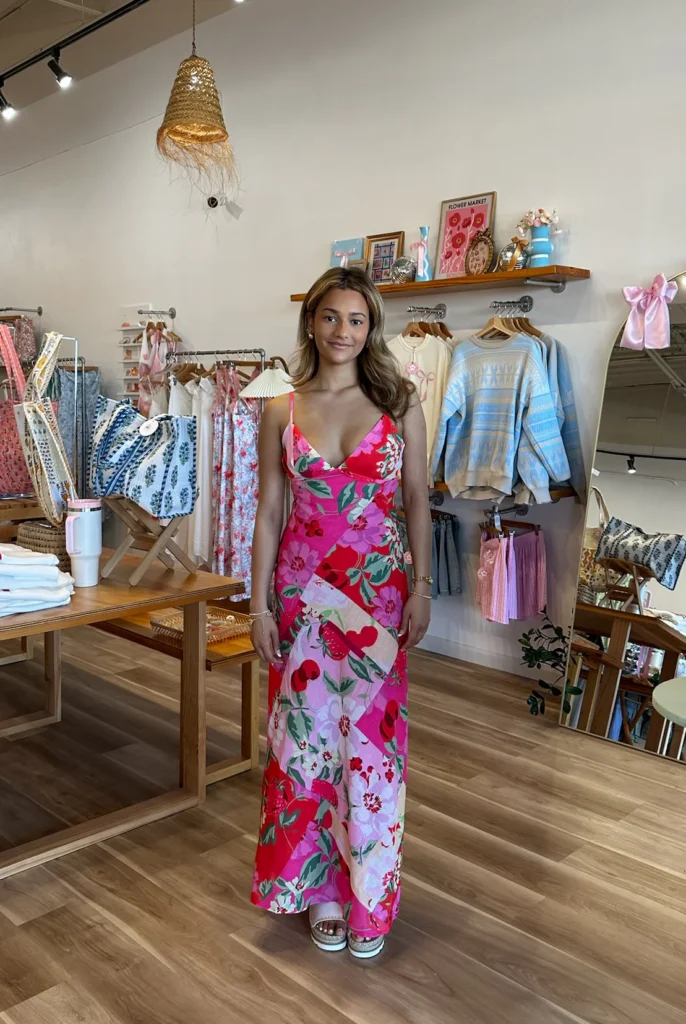
A balanced spring assortment keeps your boutique fresh without overwhelming your customers.
Your spring wholesale mix should include:
Core basics: Timeless tops, dresses, and layering pieces
Seasonal highlights: Trend-focused colors, prints, or silhouettes
Transitional items: Light jackets, cardigans, and long-sleeve styles for early spring
Price variety: Entry-level, mid-range, and premium options
Avoid overbuying similar styles. Instead, offer variety in fit, color, and fabric to appeal to different customer needs.
6. Place Wholesale Orders Early
Spring fashion wholesale is competitive. Delaying orders can result in:
Limited style availability
Longer production lead times
Higher costs or missed delivery windows
Placing orders early gives you:
Better style and color selection
More time for quality checks and revisions
Flexibility to adjust quantities before production
Confirm delivery dates in writing and align them with your spring launch calendar.
7. Prepare Your Boutique for Spring Merchandising
Your buying strategy should align with how products will be displayed and marketed in-store or online.
Before the season starts:
Plan spring window displays and visual themes
Refresh store layout for lighter, brighter collections
Prepare spring product photography for e-commerce
Update product descriptions with seasonal keywords
Spring merchandising should feel fresh, airy, and optimistic—reflecting the season’s mood.
8. Update Marketing and Pre-Launch Strategie
Wholesale buying is only half the equation. You also need a plan to sell what you buy.
Prepare spring marketing strategies such as:
“Spring Preview” or “New Season Launch” campaigns
Email newsletters showcasing upcoming arrivals
Social media teasers and behind-the-scenes content
Styling guides or lookbooks
Align marketing timelines with delivery schedules to avoid promoting products that haven’t arrived yet.
9. Manage Inventory and Reorder Plans
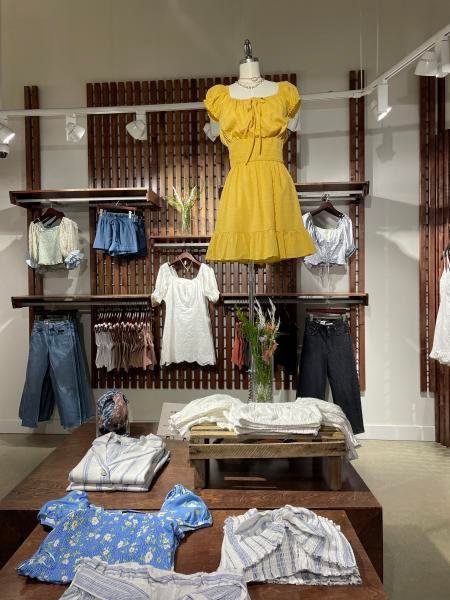
Spring fashion moves fast. Track sales weekly once new collections launch.
Set clear benchmarks for:
Fast-selling items (reorder quickly)
Slow-moving styles (promotions or styling adjustments)
Size or color gaps
Having a flexible reorder plan with your wholesale suppliers can significantly increase your seasonal sell-through rate.
10. Build Long-Term Wholesale Relationships
Spring wholesale season isn’t just about one collection—it’s about long-term growth.
Strong supplier relationships can lead to:
Better pricing and payment terms
Priority production slots
Early access to new styles
Customization or private-label opportunities
Communicate feedback after the season ends to help improve future collections and collaboration.
Final Thoughts
Preparing your boutique for the wholesale spring fashion season requires planning, research, and strategic decision-making. By analyzing past sales, staying on top of trends, setting a smart budget, and working with reliable suppliers, you can build a spring collection that resonates with your customers and drives strong sales.
A well-prepared boutique doesn’t just survive the spring season—it thrives.