Skip to content
Garment sampling is one of the most critical stages in apparel production. Before mass manufacturing begins, samples allow brands and manufacturers to test design accuracy, fabric performance, fit, and construction quality. A well-managed sampling process can save time, reduce costs, and prevent costly production errors.
In this complete guide, we’ll break down what garment sampling is, why it matters, the different types of garment samples, the sampling process, common challenges, and best practices to ensure smooth production.
What Is Garment Sampling?
Garment sampling is the process of creating prototype garments based on a design concept before bulk production. These samples help brands evaluate whether the product meets design, quality, fit, and functional requirements.
Sampling acts as a bridge between design and manufacturing. It ensures that everyone—from designers and merchandisers to manufacturers and buyers—is aligned before large quantities are produced.
Primary goals of garment sampling:
Verify design and measurements
Test fabric and trims
Check workmanship and construction
Estimate production cost and lead time
Reduce production risks
Why Garment Sampling Is Important
Skipping or rushing the sampling stage often leads to major issues during mass production. Here’s why sampling is essential:
1. Ensures Design Accuracy
Sampling confirms that the final garment matches the original design sketches, tech packs, and specifications.
2. Improves Fit and Comfort
Fit issues are one of the biggest causes of returns. Sampling allows brands to adjust measurements and silhouettes before production.
3. Tests Fabric Performance
Fabric behavior can change after washing, ironing, or wearing. Sampling helps evaluate shrinkage, colorfastness, and durability.
4. Controls Costs
Sampling helps identify construction or material issues early—when changes are still affordable.
5. Builds Trust Between Brand and Factory
Clear sampling feedback improves communication and long-term cooperation with garment manufacturers.
Types of Garment Samples
Different samples are made at different stages of development. Each serves a specific purpose.
1. Proto Sample (Prototype Sample)
This is the first physical version of a design.
Purpose:
Visualize design and structure
Check general construction
Identify obvious design flaws
Notes:
Fabric and trims may not be final.
2. Fit Sample
The fit sample focuses on garment sizing and proportions.
Purpose:
Evaluate fit on a model or mannequin
Adjust measurements and pattern
Notes:
Often made in correct fabric or similar material.
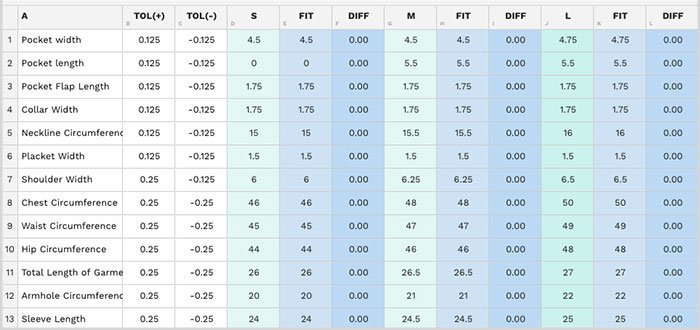
3. Size Set Sample
This sample includes all required sizes (S, M, L, XL, etc.).
Purpose:
Ensure consistent grading across sizes
Identify fit issues in different size ranges
4. Pre-Production Sample (PP Sample)
The PP sample is a near-final version of the garment.
Purpose:
Confirm materials, trims, and construction
Approve bulk production
Notes:
This sample must be approved before mass production starts.
5. Top of Production Sample (TOP Sample)
This sample is taken directly from the production line.
Purpose:
Verify consistency during bulk production
Check finishing and packaging
6. Salesman Sample (SMS)
Used for marketing, photoshoots, and buyer presentations.
Purpose:
Showcase final product for sales and promotions
Garment Sampling Process: Step by Step
Understanding the sampling workflow helps brands manage timelines and expectations.
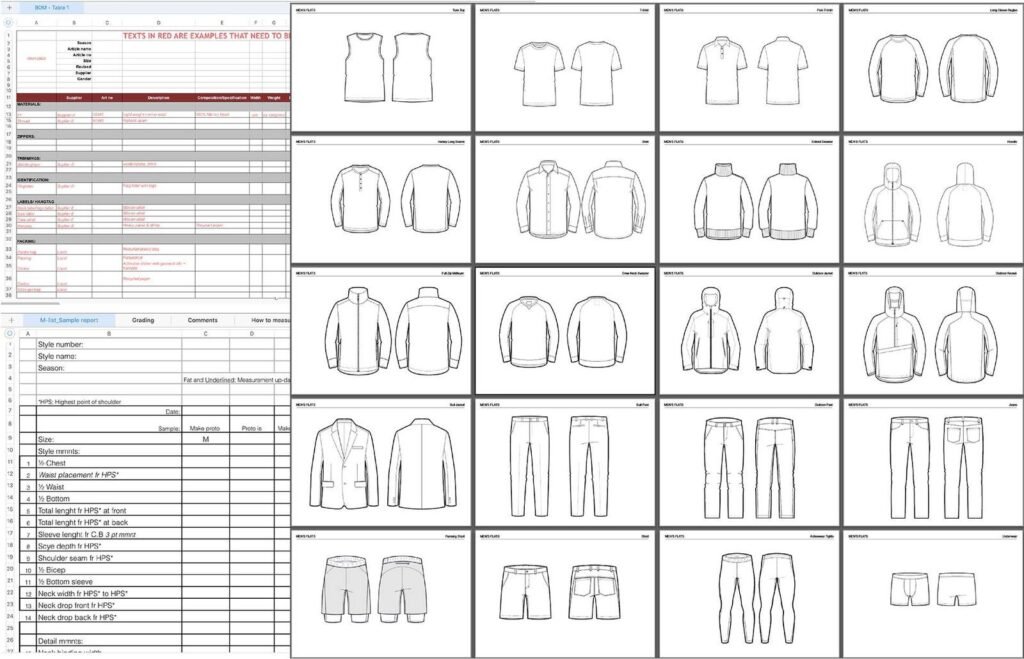
Step 1: Tech Pack Preparation
A detailed tech pack is the foundation of successful sampling. It should include:
Flat sketches
Measurements and size charts
Fabric and trim details
Construction methods
Stitch types and finishing requirements
Step 2: Pattern Making
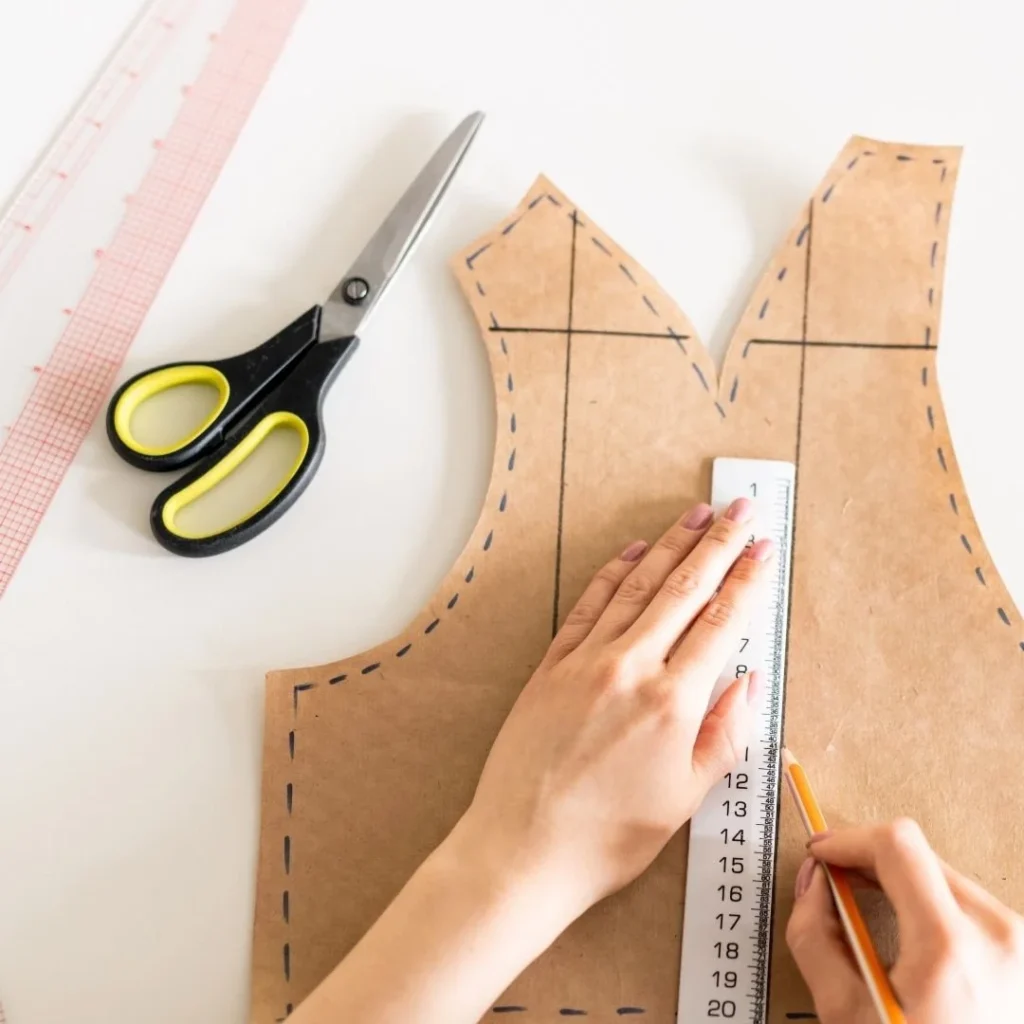
The factory creates patterns based on the tech pack. Accuracy at this stage is crucial for proper fit and production efficiency.
Step 3: Sample Development
The sample room cuts, sews, and finishes the garment according to specifications.
Step 4: Sample Review & Feedback
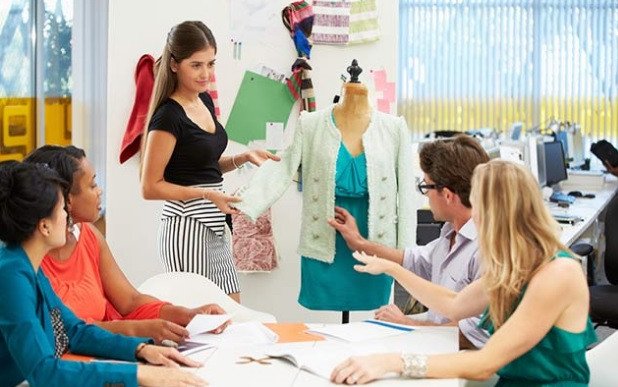
Brands review samples and provide detailed feedback:
Fit adjustments
Fabric changes
Construction improvements
Clear, written feedback with images speeds up revision
Step 5: Sample Revision
Factories update patterns and remake samples based on feedback.
Step 6: Final Approval
Once the PP sample is approved, the garment is ready for bulk production.
Common Garment Sampling Challenges
Despite its importance, sampling often comes with challenges.
1. Incomplete Tech Packs
Missing details lead to incorrect samples and delays.
2. Poor Communication
Unclear feedback or language barriers can cause misunderstandings.
3. Time Delays
Multiple revisions can extend lead times if not managed properly.
4. Cost Concerns
Sampling costs can add up, especially for complex designs.
Best Practices for Efficient Garment Sampling
To optimize your sampling process, follow these proven tips:
1. Provide Clear Tech Packs
The more detailed the tech pack, the fewer revisions are needed.
2. Choose the Right Manufacturer
Work with experienced garment factories that have strong sample development teams.
3. Standardize Feedback
Use annotated photos, measurement charts, and clear comments.
4. Limit Unnecessary Changes
Avoid frequent design changes once sampling is underway.
5. Plan Realistic Timelines
Allow enough time for multiple sample rounds if needed.
6. Test Samples Properly
Wash, wear, and inspect samples under real conditions.
Garment Sampling and Bulk Production: The Connection
Sampling is not just a preliminary step—it directly impacts bulk production quality. Approved samples become the reference standard for:
Production patterns
Sewing instructions
Quality control checks
Factories often keep the approved sample on the production floor to ensure consistency.
Final Thoughts
Garment sampling is the backbone of successful apparel production. It allows brands to perfect design, fit, and quality while minimizing risk and cost. Whether you’re a startup fashion label or an established brand, investing time and attention in sampling leads to smoother production and better final products.
By understanding sample types, following a structured process, and collaborating closely with reliable garment manufacturers, brands can turn ideas into high-quality garments with confidence.