Skip to content
When sourcing or designing dresses, fabric choice is one of the most critical decisions you’ll make. Among the many technical terms you’ll encounter, GSM is one that frequently appears—but is often misunderstood. So, what exactly does GSM mean in dresses, and why does fabric weight matter so much?
In this guide, we’ll break down GSM in dress fabrics, explain how it affects comfort, drape, durability, and cost, and help you choose the right GSM for different dress styles and seasons.
What Is GSM in Fabric?
GSM stands for Grams per Square Meter. It measures the weight of fabric, indicating how many grams one square meter of fabric weighs.
In simple terms:
Low GSM = lighter fabric
High GSM = heavier fabric
GSM does not directly measure thickness, but it is closely related. Two fabrics may look similar, yet their GSM can differ significantly depending on yarn density, weave, and fiber type.
Why GSM Matters in Dresses
Fabric weight plays a crucial role in how a dress looks, feels, and performs. Here’s why GSM is so important in dress manufacturing:
1. Comfort & Wearability
Lighter GSM fabrics allow better airflow, making them ideal for warm climates and summer dresses. Higher GSM fabrics provide warmth and structure, better suited for cooler seasons.
2. Drape & Silhouette
GSM strongly affects how a dress hangs on the body:
Low GSM fabrics flow and move easily
High GSM fabrics hold shape and structure
3. Durability & Quality Perception
Generally, higher GSM fabrics are more durable and less prone to wear, while very low GSM fabrics may be delicate and require careful handling.
4. Cost & Production Planning
Higher GSM means more material per square meter, which usually increases fabric cost, shipping weight, and sometimes sewing difficulty.
Common GSM Ranges for Dress Fabrics
Below is a practical GSM guide commonly used in women’s dress production:
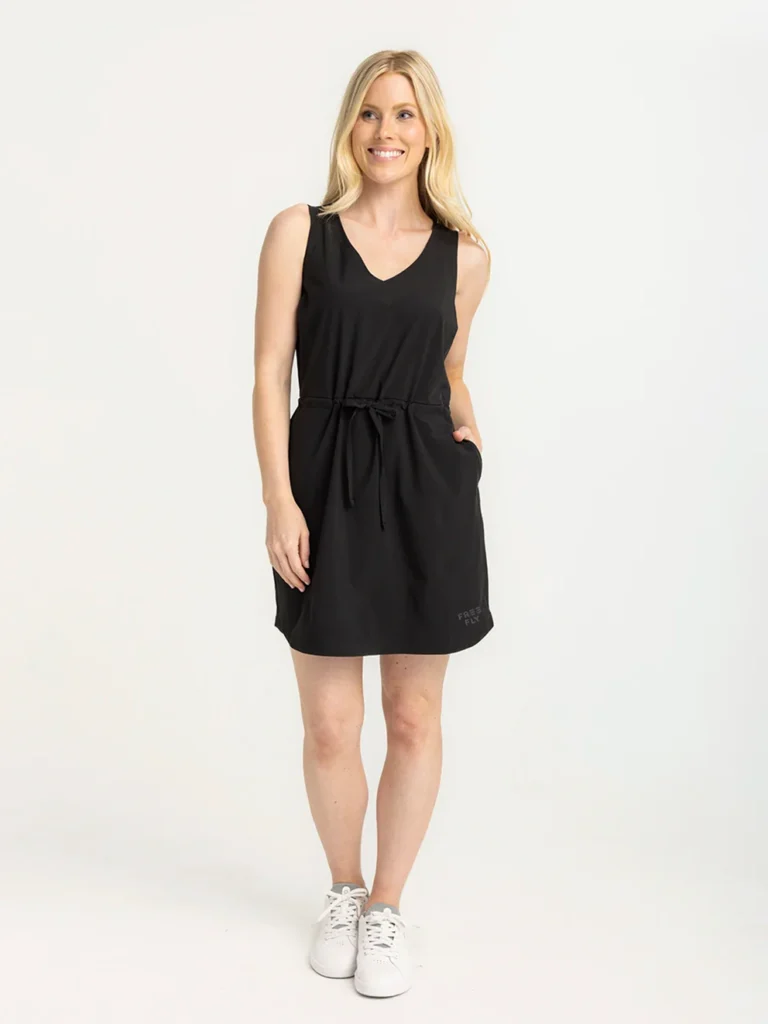
Lightweight Dresses (80–140 GSM)
Best for: Summer dresses, beachwear, slip dresses
Common fabrics: Chiffon, voile, lightweight cotton, silk crepe
Features:
Breathable and airy
Soft drape
May require lining due to sheerness
Typical styles: Maxi dresses, wrap dresses, camisole dresses

Medium-Weight Dresses (140–220 GSM)
Best for: Everyday dresses, office wear, spring/autumn collections
Common fabrics: Cotton poplin, viscose, rayon twill, satin
Features:
Balanced structure and comfort
Less transparent
Easy to sew and versatile
Typical styles: A-line dresses, shirt dresses, midi dresses

Heavyweight Dresses (220–350 GSM+)
Best for: Structured dresses, winter styles, formal wear
Common fabrics: Wool blends, ponte knit, heavy jacquard, denim
Features:
Strong shape retention
Warm and durable
Premium, high-quality feel
Typical styles: Bodycon dresses, blazer dresses, tailored silhouettes
GSM vs Fabric Type: Why Fiber Matters Too
GSM alone doesn’t tell the full story. The fiber content dramatically changes how a fabric behaves at the same GSM.
For example:
150 GSM cotton feels crisp and breathable
150 GSM polyester may feel smoother and less breathable
150 GSM viscose drapes more fluidly and feels cooler on skin
This is why experienced designers and manufacturers always evaluate GSM + fiber + weave together.
How GSM Affects Dress Construction
From a manufacturing perspective, GSM influences several technical aspects:
Pattern Making
Heavier GSM fabrics require more ease and structure adjustments.
Sewing Difficulty
Low GSM fabrics may slip or stretch
High GSM fabrics need stronger needles and seams
Lining & Interlining Decisions
Low GSM dresses often need lining, while heavier fabrics may not.
Choosing the Right GSM for Your Dress Collection
When selecting GSM for your dresses, consider these key questions:
Who is your target customer?
Luxury brands often prefer slightly higher GSM for a premium feel.Which season is the collection for?
Summer ≠ Winter GSM.Is the design fitted or flowy?
Structured designs need higher GSM.Will the dress be lined?
Lining allows more flexibility with lower GSM fabrics.
Common GSM Mistakes to Avoid
❌ Choosing fabric by feel only, without checking GSM
❌ Using very low GSM for fitted styles (leads to transparency and distortion)
❌ Assuming higher GSM always means better quality
Quality is about balance, not just weight.
Why Professional Dress Manufacturers Care About GSM
For professional dress manufacturers, GSM is a key standard in:
Fabric sourcing
Cost calculation
Quality control
Consistency across production batches
Reliable suppliers always test and confirm GSM to ensure each production run matches the approved sample.
Final Thoughts: GSM Is a Silent Quality Indicator
Understanding GSM in dresses empowers brands and buyers to make smarter decisions. It affects everything—from how a dress feels on the body to how it performs after repeated wear.
Whether you’re developing a lightweight summer collection or a structured winter line, choosing the right GSM fabric is essential for achieving the desired look, comfort, and quality.
If you work with an experienced manufacturer, GSM becomes more than a number—it becomes a tool to turn your design vision into a wearable, sellable product.