Skip to content
In today’s competitive fashion market, customized dresses are no longer a luxury—they’re a strategic necessity. Whether you’re building a private-label brand, expanding a boutique collection, or scaling a fashion startup, choosing the right customized dresses can directly impact your brand identity, customer loyalty, and profit margins.
However, customization goes far beyond adding a logo or tweaking a hemline. It requires thoughtful decisions about design, fabric, fit, production partners, and market alignment. In this guide, we share expert tips to help you select the right customized dresses for your business, while avoiding common pitfalls and maximizing long-term success.
1. Define Your Brand Positioning First

Before selecting styles or fabrics, you must clearly define who your brand is for.
Ask yourself:
Are you targeting mid-range, premium, or luxury customers?
Is your brand focused on minimalist, feminine, sustainable, or trend-driven designs?
Which markets are you serving—Europe, North America, Japan, or global online retail?
Your answers will guide every customization decision, from fabric quality to construction details. A premium European market, for example, often values tailored silhouettes, natural fabrics, and refined craftsmanship, while fast-moving online brands may prioritize flexibility and speed.
2. Choose Dress Styles That Align With Market Demand

Customization works best when paired with proven silhouettes. Rather than reinventing the wheel, start with styles that already perform well in your target market.
Popular customized dress categories include:
Midi and maxi dresses for everyday elegance
Occasion dresses for events and evening wear
Shirt dresses for workwear and smart casual collections
Summer dresses for resort and seasonal capsules
Once the base style is selected, you can customize through:
Necklines and sleeve variations
Length adjustments
Waist shaping and panel construction
This approach reduces risk while still allowing your brand to stand out.
3. Fabric Selection Is the Foundation of Quality
One of the most critical factors in customized dress production is fabric choice. The same design can feel completely different depending on the material used.
When selecting fabrics, consider:
Comfort & drape: How the fabric moves on the body
Durability: Resistance to pilling, shrinking, and fading
Seasonality: Breathable fabrics for summer, structured fabrics for fall/winter
Sustainability: Certified or eco-friendly options for conscious consumers
High-end customized dresses often use:
Viscose blends, TENCEL™, silk, or premium polyester
Linen or cotton for casual collections
Wool blends or heavier weaves for colder seasons
A reliable manufacturer should provide fabric swatches, test reports, and sourcing advice before production.
4. Prioritize Fit Customization, Not Just Design
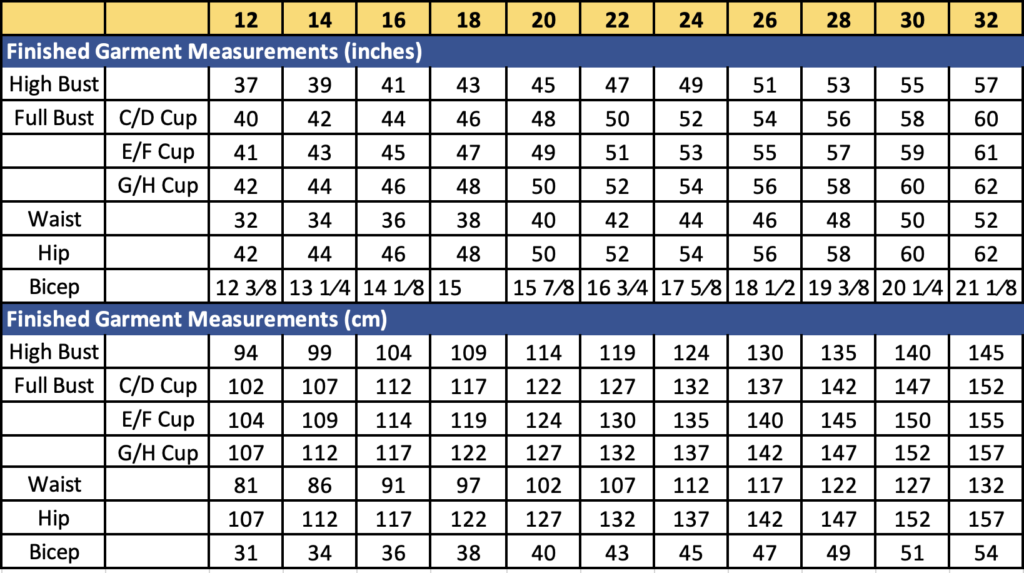
Many brands focus heavily on visual design but overlook one key factor: fit. Poor fit leads to high return rates and unhappy customers.
Expert customization includes:
Adjusting grading rules for different size ranges
Custom size charts based on target market body data
Pattern refinement through multiple sample rounds
For example, European customers often prefer a more tailored yet relaxed fit, while U.S. markets may require more inclusive sizing.
Investing in fit development early will save significant costs later.
5. Evaluate Your Custom Dress Manufacturer Carefully
Your manufacturer is not just a supplier—they are a long-term business partner. Choosing the right one is essential for quality, consistency, and scalability.
Key factors to evaluate:
Experience with customized dresses and private labels
Ability to support low MOQs and sampling
In-house pattern making and sample development
Clear communication and transparent pricing
Quality control standards (AQL inspections, fabric testing)
A professional dress manufacturer should guide you through design feasibility, cost optimization, and production timelines—not simply execute orders.
6. Balance Customization With Cost Control
While customization adds value, over-customization can quickly increase costs. Smart brands strike a balance.
Cost-effective customization strategies include:
Using standard fabrics with custom colors or prints
Modifying existing patterns instead of creating new ones
Sharing trims (zippers, buttons) across multiple styles
Planning collections in capsules to optimize production
This allows you to maintain uniqueness without sacrificing margins.
7. Plan for Scalability From the Start
Your first customized dress collection may be small, but success can come quickly. Ensure your designs and production process are scalable.
Consider:
Can this style be reproduced in multiple colors or seasons?
Is the fabric supply stable for repeat orders?
Can your manufacturer increase capacity as demand grows?
Scalable customization enables consistent brand growth and faster response to market trends.
8. Don’t Skip Sampling and Pre-Production Testing
Sampling is not an expense—it’s an investment.
Before bulk production:
Review fitting samples on real models
Test washability and color fastness
Check stitching, seam strength, and finishing details
Professional brands often go through 2–3 sample revisions to achieve the ideal result. Skipping this step often leads to costly corrections later.
9. Align Custom Dresses With Your Brand Story
Today’s consumers don’t just buy dresses—they buy stories and values. Your customized dresses should reflect what your brand stands for.
Whether it’s:
Sustainability
Craftsmanship
Feminine empowerment
Modern minimalism
Ensure your design details, materials, and messaging are aligned. This creates emotional connection and long-term brand loyalty.
Conclusion: Customization as a Strategic Advantage
Choosing the right customized dresses for your business is both an art and a strategy. From fabric selection and fit development to choosing the right manufacturing partner, every decision plays a role in your brand’s success.
When done correctly, customized dresses allow you to:
Differentiate in a crowded market
Build a recognizable brand identity
Improve customer satisfaction and retention
Scale your business with confidence
By applying these expert tips, you’ll be better equipped to create customized dress collections that not only look beautiful—but also perform commercially.