Skip to content
In the ever-evolving fashion industry, pattern making sits at the intersection of art, engineering, and cultural storytelling. One of today’s most compelling design challenges is balancing vintage fit aesthetics with modern wearability. From 1950s cinched waists to 1990s oversized silhouettes, vintage patterns offer timeless inspiration—but they must be carefully reinterpreted to meet contemporary fit expectations, comfort standards, and production realities.
This article explores the key differences between vintage and modern fit in pattern making, and how designers and manufacturers can successfully translate historic silhouettes into commercially viable, modern wardrobe staples.
Understanding Vintage Fit: More Than Just Nostalgia
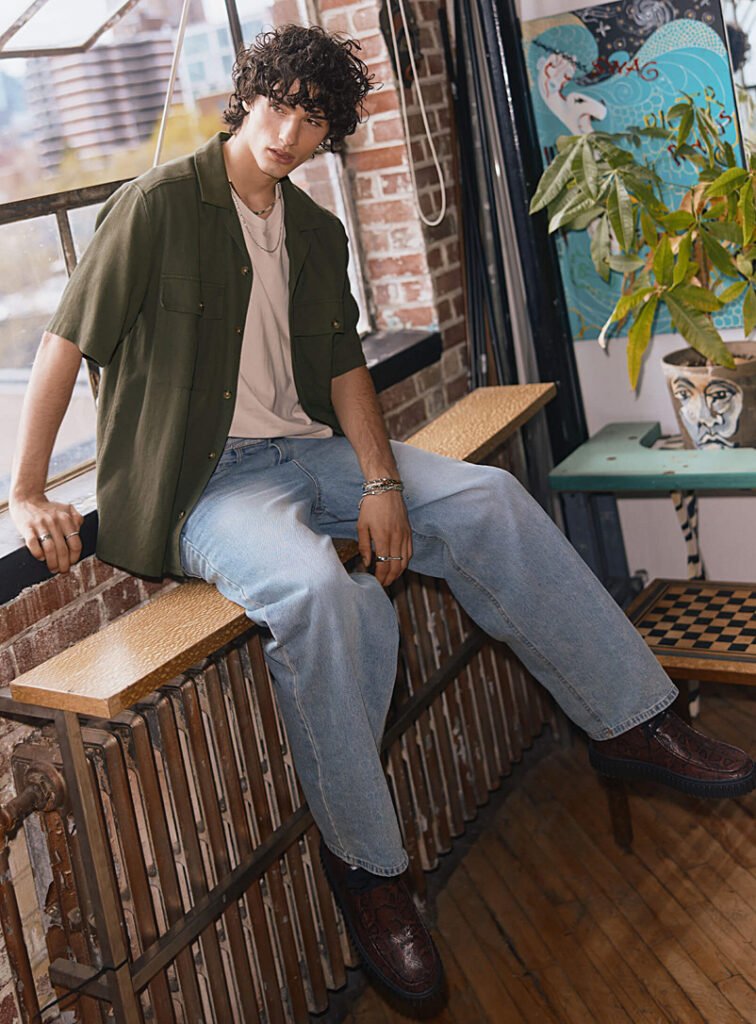
Vintage fit reflects the social norms, lifestyles, and body ideals of its era. Garments were often made with less stretch, fewer size options, and more structured construction.
Key Characteristics of Vintage Pattern Making
Structured silhouettes: Corsetry, darts, princess seams, and heavy interfacings were common
Narrow size ranges: Many patterns were drafted for a single “ideal” body type
Lower mobility allowances: Less ease due to formal lifestyles
Higher waistlines and longer rises in trousers and skirts
Heavier fabrics with little to no elasticity
For example, a 1940s tailored jacket often features strong shoulders, a fitted waist, and minimal stretch—beautiful in form, but restrictive by modern standards.
Modern Fit: Comfort, Inclusivity, and Versatility

Modern pattern making prioritizes functionality and diversity. Today’s consumers expect garments to move with the body while still maintaining aesthetic appeal.
Defining Elements of Modern Fit
Balanced ease for comfort and movement
Inclusive sizing systems (graded for multiple body types)
Stretch integration using elastane or knit structures
Lower structure, lighter interfacings
Lifestyle adaptability (work, travel, casual wear)
Modern fit doesn’t eliminate structure—it refines it. The goal is a garment that looks polished but feels effortless.
Translating Vintage Silhouettes into Modern Patterns
Successfully adapting vintage fit requires more than resizing old patterns. It involves technical reinterpretation while preserving design DNA.
1. Rebalancing Ease Without Losing Shape
Vintage garments often appear sculptural due to tight ease. Modernization involves:
Adding functional ease at bust, hip, and armhole
Maintaining visual structure using seam placement
Using stretch linings or panels for hidden comfort
For example, a vintage sheath dress can retain its sleek look while incorporating stretch lining or side panel adjustments.
2. Updating Proportions for Today’s Bodies
Body proportions have changed over decades. Modern pattern making adjusts:
Shoulder slopes
Armhole depth
Waist positioning (often slightly lowered)
Length adjustments for contemporary styling
This ensures the garment feels current, not costume-like.
3. Modern Fabric Substitution
One of the most effective tools in translating vintage fit is fabric innovation.
Replace rigid woven fabrics with stretch wovens
Use lightweight fusible interfacings instead of heavy canvases
Combine classic textures with modern fiber blends
A 1960s A-line dress, for example, benefits greatly from stretch crepe instead of traditional wool.
4. Redesigning Internal Construction
Vintage garments often rely on internal structure that can feel outdated:
Remove or soften boning
Replace multiple darts with princess seams or shaping panels
Reduce excessive padding
The result is a cleaner interior and improved comfort without sacrificing silhouette.
Pattern Grading: Where Modern Fit Truly Wins
One of the biggest challenges with vintage patterns is grading. Most historical patterns were never intended for today’s diverse customer base.
Modern pattern grading focuses on:
Multiple body types (not just scaling up/down)
Maintaining design balance across sizes
Preventing distortion in key style lines
This is critical for brands targeting European or international markets, where fit standards are particularly high.
Why Brands Are Embracing Vintage-Modern Hybrid Fit
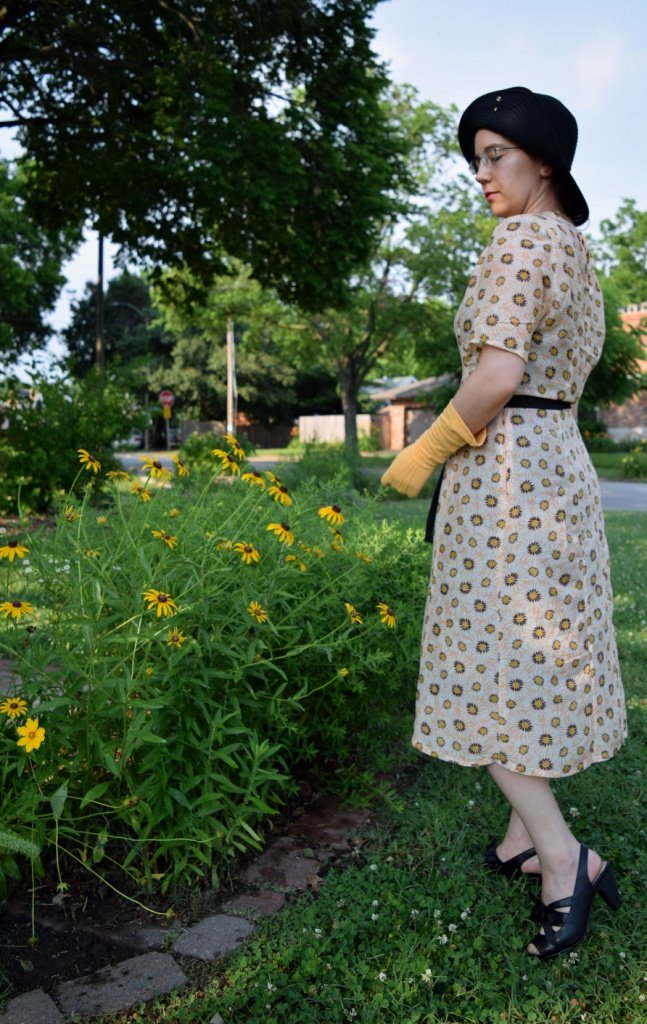
The rise of heritage-inspired fashion has made vintage silhouettes more desirable than ever. However, consumers still demand comfort and wearability.
Brands benefit from hybrid pattern making by:
Differentiating their collections
Tapping into storytelling and nostalgia
Reducing return rates due to poor fit
Appealing to both aesthetic and functional needs
This approach is especially popular in women’s dresses, tailored jackets, blouses, and outerwear.
Best Practices for Designers and Manufacturers
To successfully translate vintage fit into modern patterns:
Start with modern blocks, not original vintage patterns
Use vintage garments as visual references, not technical templates
Conduct multiple fittings across size ranges
Collaborate closely with experienced pattern makers
Test garments in real-life movement scenarios
Manufacturers with strong sampling and pattern development capabilities play a key role in achieving this balance.
Final Thoughts: Turning Timeless Design into Commercial Success
Vintage and modern fit are not opposing forces—they are complementary. When handled correctly, vintage-inspired pattern making can deliver garments that feel timeless yet relevant, elegant yet comfortable.
By understanding historical construction while applying modern fit principles, designers can create collections that resonate with today’s consumers and stand the test of time. In a competitive fashion market, mastering this translation is not just a design skill—it’s a commercial advantage.