Skip to content
Silk has long been regarded as one of the most luxurious and elegant fabrics in the world. From ancient royal courts to modern fashion runways, silk continues to symbolize refinement, quality, and timeless beauty. But beyond its graceful appearance, silk also offers impressive practicality, making it a preferred choice for designers, brands, and consumers alike.
In this article, we explore the history, benefits, applications, and sustainability of silk, and why it remains an essential fabric in today’s fashion and apparel industry.
A Brief History of Silk: A Fabric Fit for Royalty
Silk originated in ancient China over 5,000 years ago and was once reserved exclusively for emperors and nobility. The famous Silk Road helped spread silk across Asia, the Middle East, and Europe, turning it into one of the most valuable trade commodities in history.
Even today, silk carries this heritage of prestige and craftsmanship. For fashion brands aiming to convey elegance and heritage, silk naturally adds a sense of story and value to any garment.
What Makes Silk So Special?
1. Unmatched Softness and Natural Shine
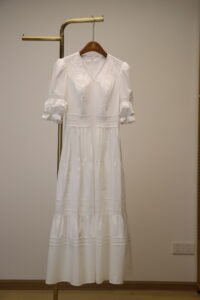
One of silk’s most distinctive qualities is its smooth texture and natural luster. Unlike synthetic fabrics, silk reflects light softly, giving garments a subtle glow rather than a harsh shine. This makes silk dresses, blouses, and scarves appear effortlessly elegant.
Its softness also makes silk extremely comfortable against the skin, reducing irritation and enhancing the wearing experience—especially important for luxury and premium apparel.
2. Breathability and Temperature Regulation
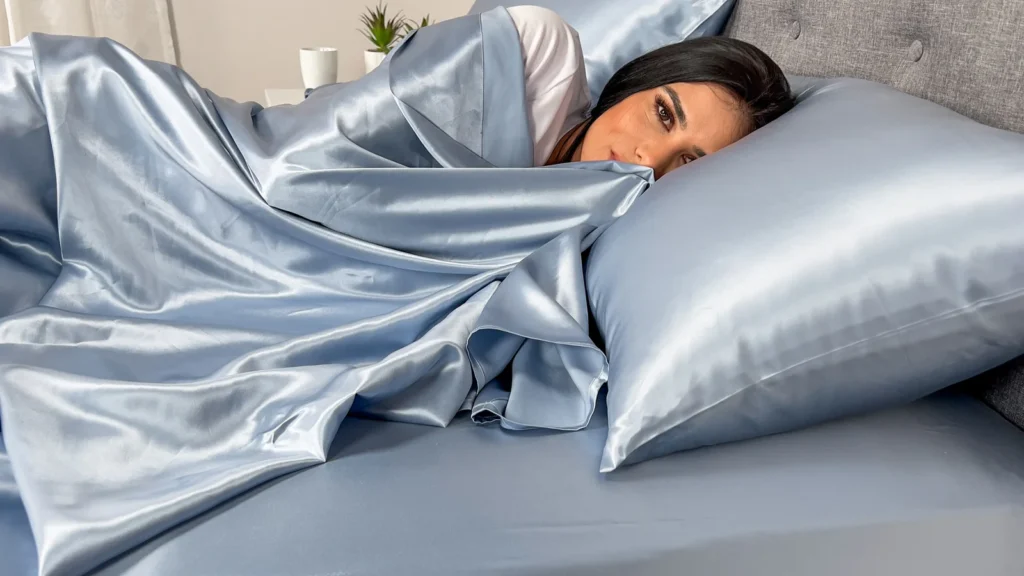
Silk is a natural temperature-regulating fabric, which means it helps keep the body cool in summer and warm in cooler weather. This unique property makes silk suitable for year-round wear.
For brands targeting European or international markets with seasonal collections, silk offers versatility across spring, summer, and transitional seasons.

3. Lightweight Yet Strong
Despite its delicate appearance, silk is surprisingly strong. High-quality silk fibers have excellent tensile strength, allowing garments to maintain structure while remaining lightweight.
This balance between strength and softness makes silk ideal for:
Dresses
Blouses
Skirts
Lingerie
Sleepwear
Luxury linings
Practical Advantages of Silk in Modern Fashion
4. Skin-Friendly and Hypoallergenic
Silk is naturally hypoallergenic, resistant to dust mites, mold, and fungi. This makes it an excellent option for sensitive skin and premium comfort wear.
Many high-end brands choose silk not only for aesthetics but also for its health and wellness benefits, which resonate strongly with today’s conscious consumers.
5. Excellent Dye Absorption
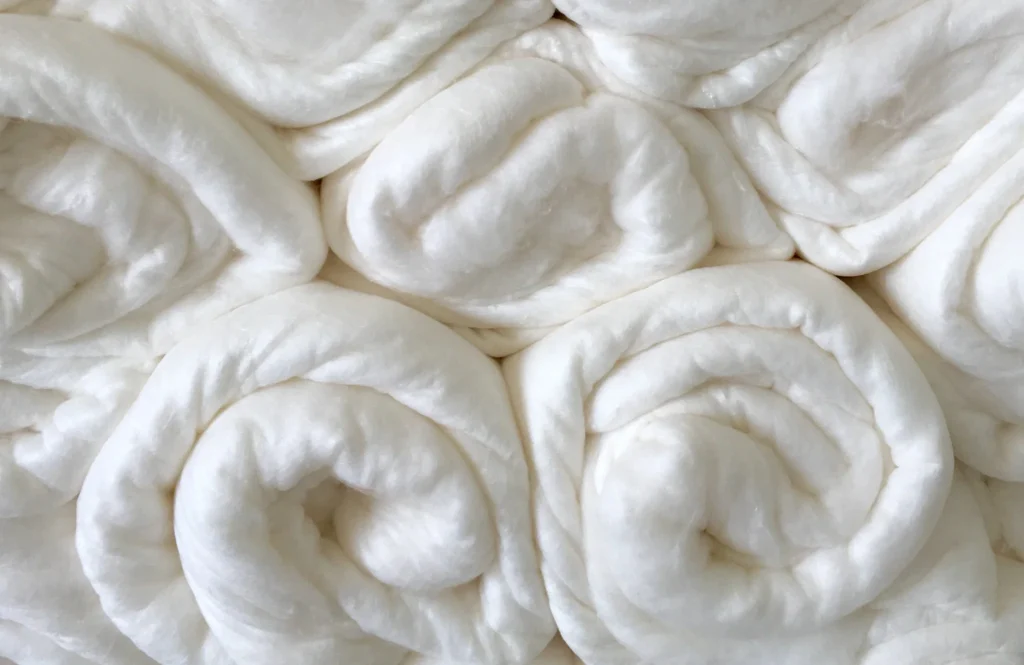
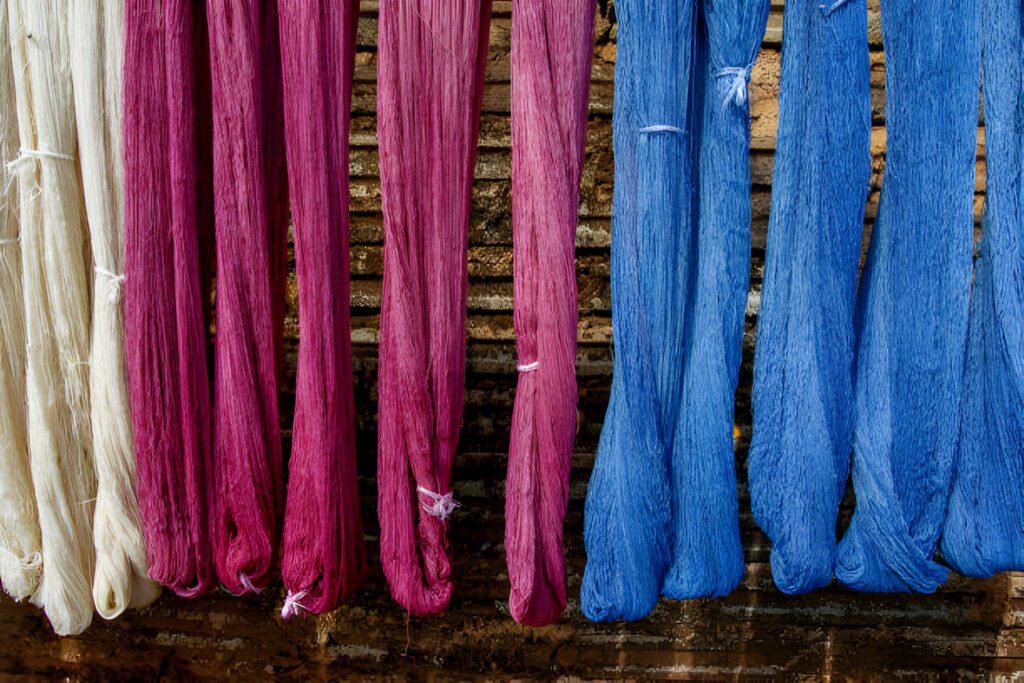
Silk absorbs dyes exceptionally well, producing rich, vibrant, and long-lasting colors. Whether it’s soft pastels or deep jewel tones, silk enhances color depth and visual appeal.
For designers, this means:
Better color accuracy
Premium visual quality
Stronger brand identity in collections
6. Drapability That Enhances Design
Silk drapes beautifully, flowing naturally with body movement. This characteristic makes it especially popular in:
Evening wear
Bridal gowns
High-fashion silhouettes
Feminine and romantic designs
Designers can create elegant lines and flattering shapes without excessive structure, making silk a favorite for timeless and modern designs alike.
Sustainability and Silk: A Natural Choice
As sustainability becomes a key focus in the fashion industry, silk stands out as a natural and biodegradable fiber. When responsibly sourced and processed, silk can be an eco-conscious alternative to synthetic fabrics.
Many manufacturers now emphasize:
Ethical sericulture (silk farming)
Reduced chemical processing
Long-lasting garment quality
Because silk garments tend to have a longer lifespan, they also support the concept of slow fashion, encouraging consumers to buy fewer but better-quality pieces.
Common Types of Silk Used in Apparel
Understanding different silk varieties helps brands choose the right fabric for their collections:
Mulberry Silk – The highest quality, smooth and durable
Silk Satin – Glossy surface, ideal for dresses and lingerie
Silk Chiffon – Lightweight and sheer, perfect for layering
Silk Crepe – Slight texture with excellent drape
Silk Habotai – Soft and lightweight, often used for linings
Each type serves different design and functional needs, allowing flexibility in collection development.
Caring for Silk: Preserving Its Beauty
While silk is durable, proper care is essential to maintain its elegance:
Hand wash or dry clean recommended
Use mild detergents
Avoid direct sunlight for drying
Store in breathable garment bags
Educating customers on silk care can enhance satisfaction and extend garment life—an important value-add for premium brands.
Why Silk Remains a Smart Choice for Fashion Brands
For apparel brands and wholesalers, silk represents more than luxury—it represents quality, craftsmanship, and timeless appeal. Silk garments often command higher perceived value, allowing brands to position themselves confidently in mid-to-high-end markets.
Whether used as the main fabric or as a refined lining, silk elevates collections and strengthens brand identity.
Final Thoughts
The elegance and practicality of silk have stood the test of time. With its luxurious feel, functional benefits, and growing sustainability appeal, silk continues to be a cornerstone of premium fashion.
For designers, manufacturers, and brands looking to create lasting value, silk is not just a fabric—it’s an investment in quality, style, and heritage.