Skip to content
The Dirndl dress is a traditional garment originating from the Alpine regions of Germany, Austria, and Switzerland, but it has become a symbol of Bavarian culture and is widely recognized in German-speaking countries. The dress has a rich history that dates back to the 18th century, evolving over time from a simple peasant dress to the stylish and elegant outfit worn today.
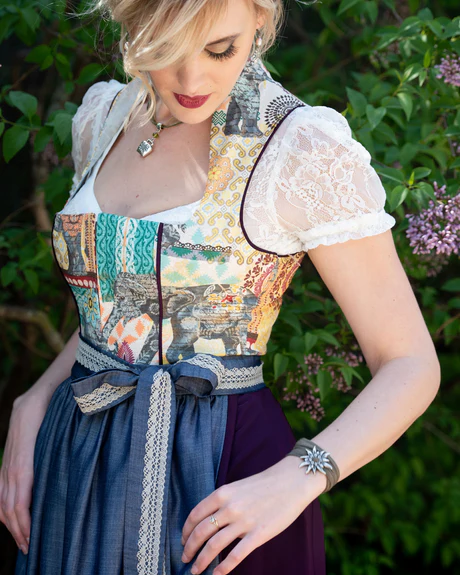
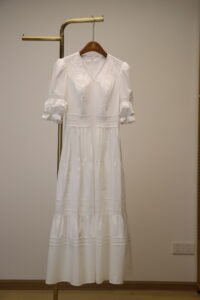
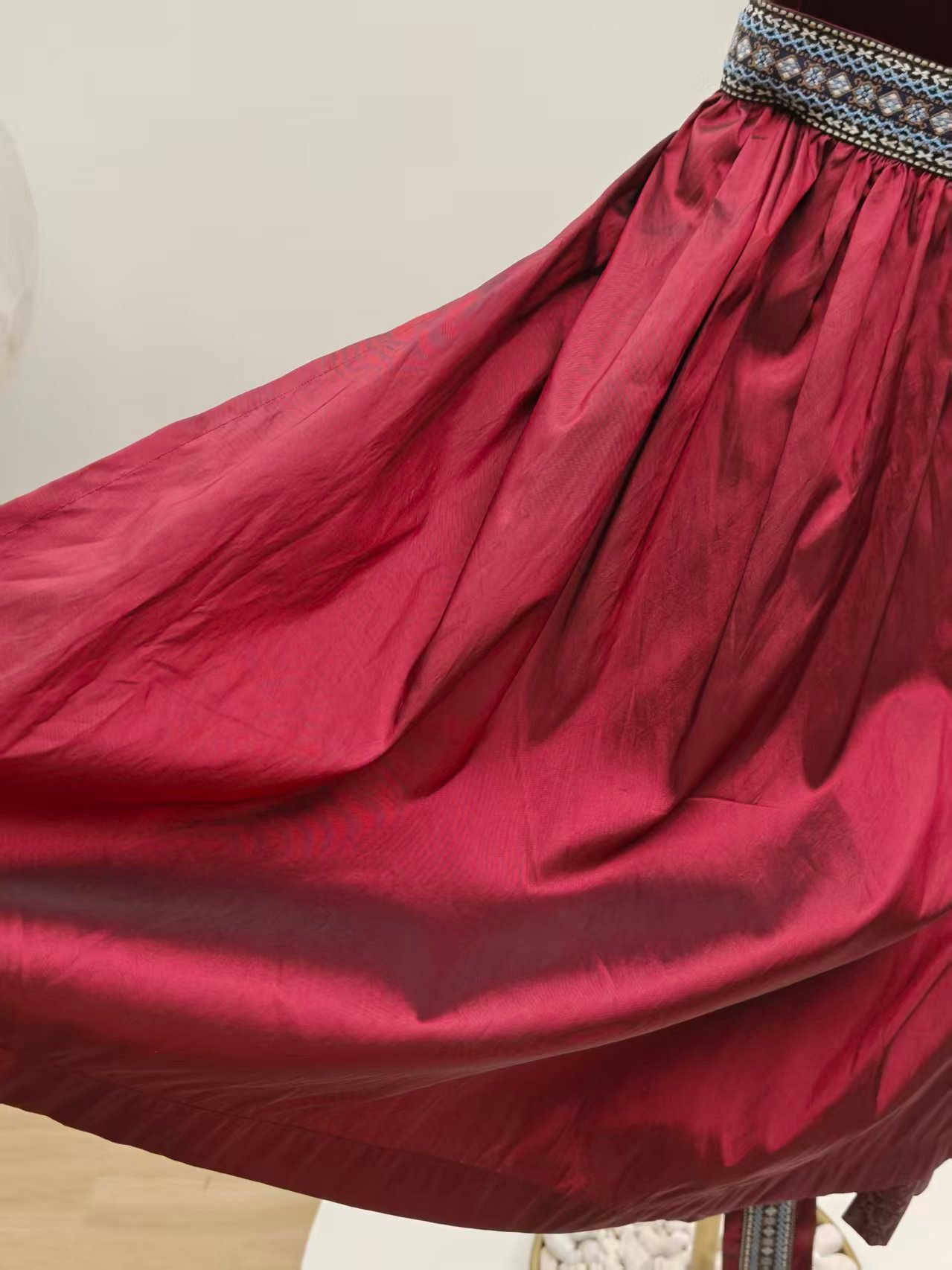
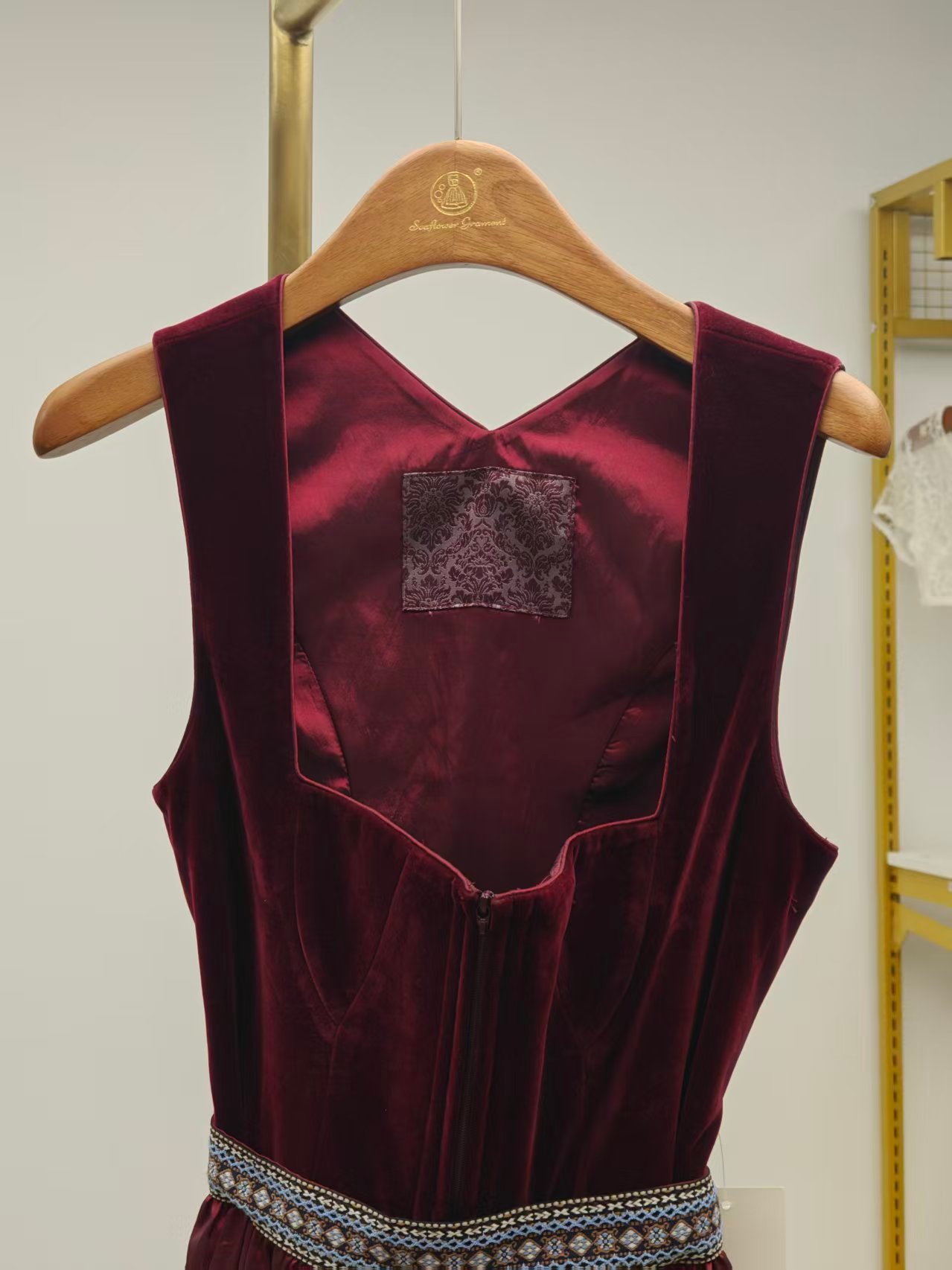
A Dirndl consists of several key components: a fitted bodice, a low-cut blouse, a full skirt, and an apron. The bodice is often laced up with ribbons or buttons, accentuating the waist, while the blouse, traditionally made from cotton or linen, has puffed sleeves and a modest neckline. The skirt is usually knee-length or slightly longer, with pleats that add volume and movement, creating an elegant silhouette. The apron, worn over the skirt, is often made of contrasting fabric and is tied with a bow, which is an important aspect of the Dirndl’s overall appearance.
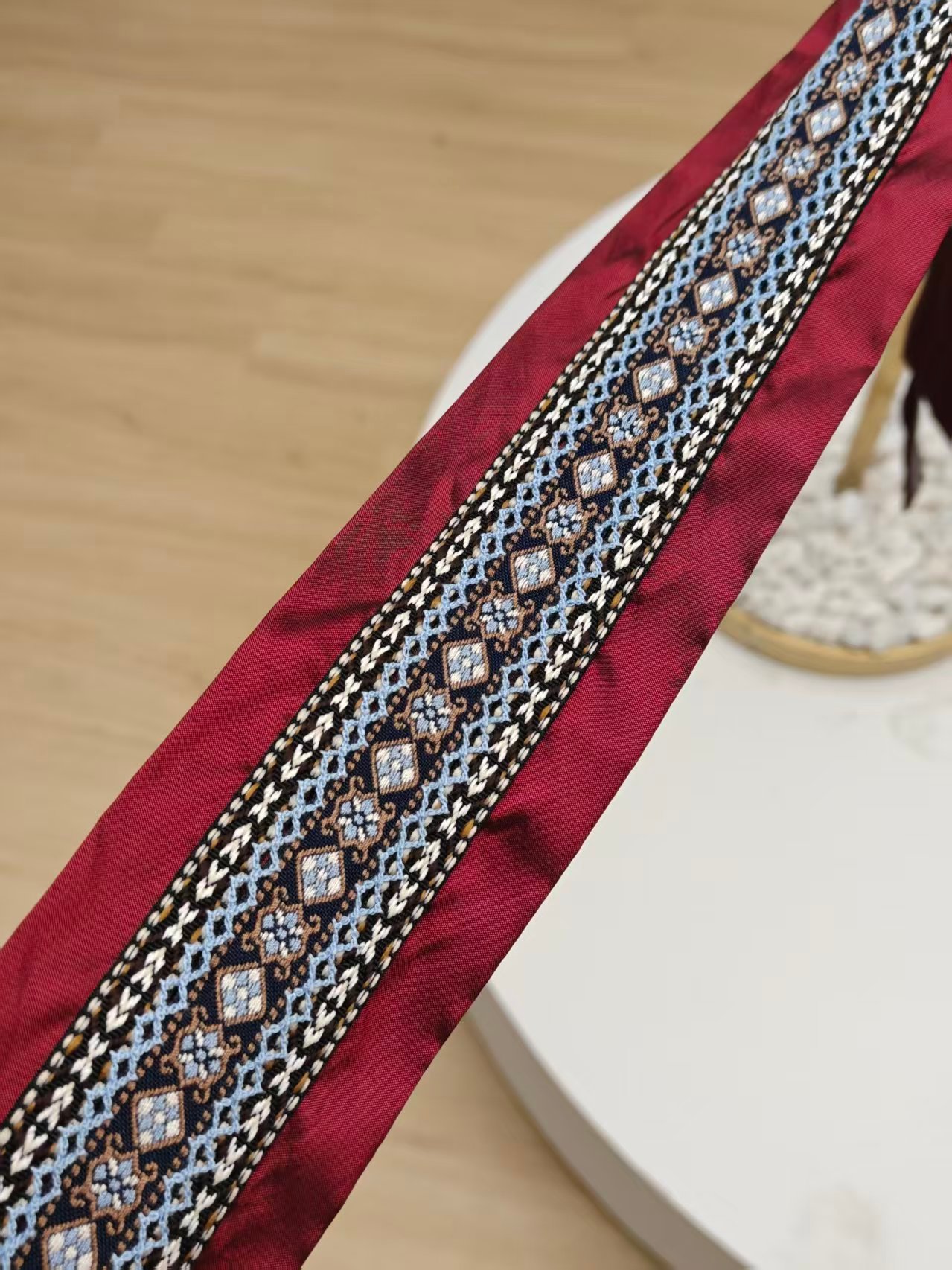
The design and colors of the Dirndl vary based on regional traditions and personal preference. In Bavaria, for example, Dirndls are often made from bright, bold fabrics with floral patterns, while in Austria, darker and more muted colors like black or navy are common. The materials used in the dress have also evolved over time, with modern Dirndls often featuring silk, velvet, and other luxurious fabrics. However, traditional wool and cotton are still popular choices for everyday wear.
The Dirndl has a symbolic aspect as well, especially concerning the way the apron is tied. The position of the bow indicates the wearer’s relationship status: a bow tied on the left side signals that the person is single, while a bow on the right side means they are taken. A bow in the center indicates that the wearer is either a virgin or is still open to being courted, while a bow at the back is worn by widows or women serving as waitresses at festivals.
Originally worn by rural women for practical purposes, the Dirndl became a fashion statement in the 19th century when it was adopted by aristocratic women attending folk festivals. Today, it is commonly worn at Oktoberfest, other folk festivals, and traditional events like weddings or cultural celebrations. The Dirndl has also made its way into modern fashion, with contemporary designers incorporating the traditional elements into trendy collections.
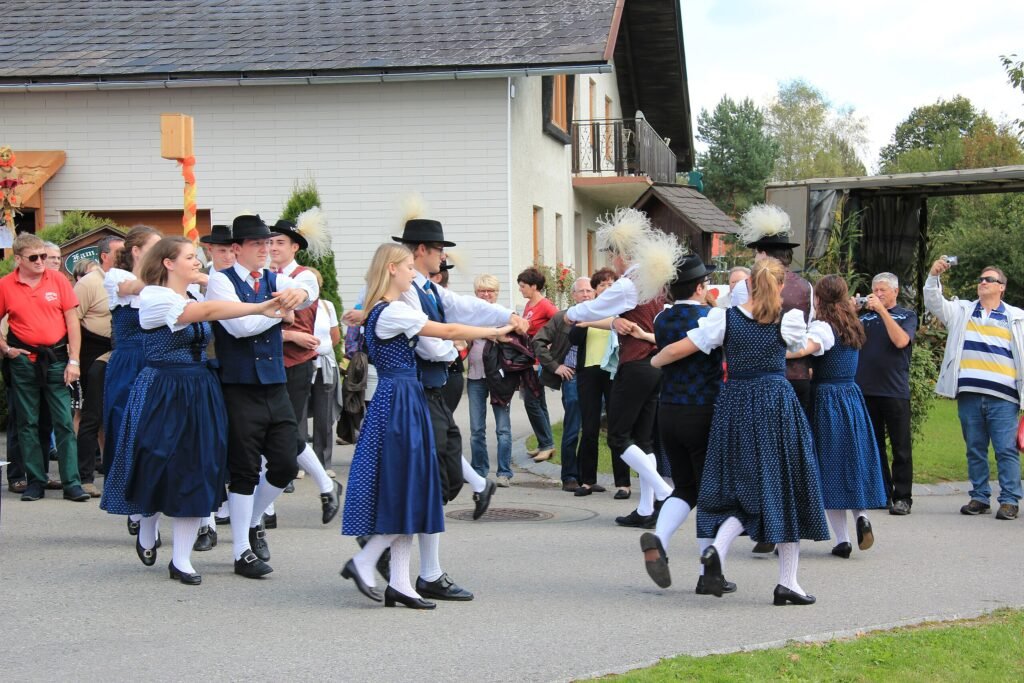
In summary, the Dirndl dress is more than just a traditional garment; it is a cultural symbol that represents history, heritage, and regional pride. With its intricate design and colorful variations, the Dirndl continues to be celebrated both in its original form and as a fashionable piece of clothing for modern times.