Skip to content
What’s Driving Fast Fashion, Key Market Shifts & Future Outlook
Introduction
Fast fashion has reshaped the global apparel industry over the past two decades. Brands such as Zara, H&M, SHEIN, and Uniqlo have transformed how consumers buy, wear, and dispose of clothing. With rapid production cycles, low prices, and digital-first marketing, fast fashion continues to dominate the casual wear market — but not without controversy.
This blog explores the global fast fashion market analysis and trends, focusing on key drivers, sustainability challenges, consumer behavior shifts, and future industry developments.
What Is Fast Fashion?
Fast fashion refers to the rapid production of inexpensive clothing based on the latest trends. Unlike traditional apparel cycles that change seasonally, fast fashion brands release new collections weekly or even daily.
Fast fashion’s appeal lies in:
Low prices
Trend responsiveness
High turnover and frequent launches
Consumer accessibility
However, the industry faces intense criticism for environmental impact and labor practices — a topic we’ll explore later.
Global Fast Fashion Market Size & Growth
The global fast fashion market has expanded rapidly over the past decade. According to industry estimates, the fast fashion sector is expected to grow at a CAGR of 7-9% through 2030, driven by rising disposable incomes and online shopping adoption.
Top fast fashion markets include:
North America
Europe
Asia-Pacific (China, India, Southeast Asia)
Latin America
Emerging economies show strong demand growth, propelled by urbanization and improved internet access. Meanwhile, mature markets focus on sustainability and resale models.
Key Drivers of Fast Fashion Today
1. Digital Transformation & E-Commerce
E-commerce platforms have accelerated fast fashion’s reach. Digital marketplaces enable brands to:
Launch new drops instantly
Target niche consumer segments
Collect real-time trend data
Mobile shopping, social commerce, and livestream shopping in Asia have contributed significantly to growth.
2. Social Media & Trend Acceleration
Platforms like TikTok, Instagram, and Pinterest amplify trends at unprecedented speed. Micro-influencers now drive fashion cycles, making “viral” clothing mainstream within weeks.
Keywords infused: social media fashion trends, fast fashion influencer impact.
3. Consumer Demand for Affordability
Younger generations prioritize cheap, trendy clothing over classic style or longevity. This helps explain fast fashion’s persistent appeal.
Sustainability Challenges
Fast fashion’s rapid model creates major environmental and ethical concerns:
• Carbon Footprint
The fashion industry accounts for 4-10% of global carbon emissions, largely due to manufacturing and transportation.
• Water Pollution
Textile dyeing and finishing contribute to water contamination in key manufacturing countries like Bangladesh and India.
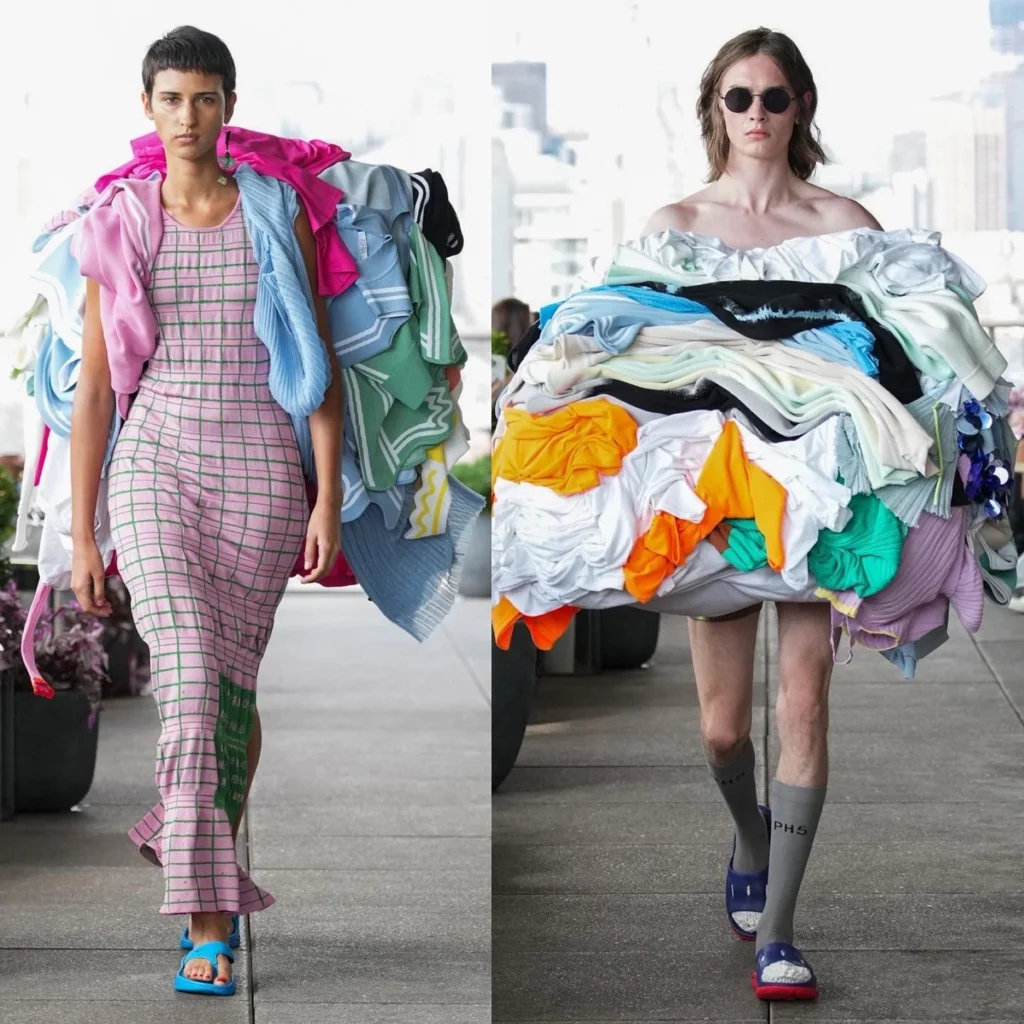
• Waste & Landfill
With frequent purchases and low durability, clothing waste accumulates rapidly. In the U.S., up to 85% of textiles end up in landfills every year.
• Labor Practices
Questions around wage fairness and factory working conditions remain hot topics in global apparel sourcing.
The Rise of Sustainable Fashion
In response to criticism, many brands have adopted sustainable strategies:
♻️ Circular Fashion
Recycling programs, resale platforms, and take-back initiatives emphasize extending garment life.
🌱 Eco-Friendly Materials
Organic cotton, recycled polyester, and low-impact dyes reduce environmental harm.
📢 Transparency & Certification
Consumers now demand supply chain visibility. Certifications like Global Organic Textile Standard (GOTS) and Fair Trade are gaining prominence.
🌍 Consumer Shift to “Slow Fashion”
A growing segment now prefers durable, timeless pieces over ever-changing trends.
Fast Fashion & Consumer Behavior in 2026
The pandemic accelerated digital shopping, and many behavioral shifts remain entrenched:
💡 Mobile commerce dominates — Consumers discover and buy clothing directly through apps.
💡 Second-hand sales are booming — Platforms such as Depop, Poshmark, and ThredUp are mainstream options.
💡 Customization and personalization — AI-driven recommendations and made-to-order models reduce overproduction.
💡 Ethical purchasing decisions — Younger consumers are willing to pay more for sustainability.
Technology’s Role in Transformation
📊 Data & AI Trend Forecasting
Retailers use machine learning to analyze trend signals from search, social data, and sales, reducing guesswork in production planning.
🤖 Smart Manufacturing
Automation and robotics boost efficiency, especially in cutting, sewing, and quality control.
📦 Supply Chain Digitization
Blockchain and traceability systems improve transparency and reduce fraud.
🛍 Virtual Try-On & AR
Augmented reality allows consumers to try clothing online, enhancing the digital shopping experience.
Regional Fast Fashion Trends
North America
High online penetration fuels fast fashion platforms. However, sustainability demands are reshaping brand priorities.
Europe
Fast fashion remains strong, with a strong consumer demand for eco-friendly alternatives.
Asia-Pacific
Asia leads in production and consumption growth. China and Southeast Asia are fast becoming trend centers.
Latin America & Africa
Rapid urbanization and e-commerce adoption open new opportunities, especially for affordable fashion.
Top Fast Fashion Brands (2026 Overview)
While rankings can vary, some brands that lead fast fashion include:
Zara
H&M
Uniqlo
SHEIN
Bershka
ASOS
Each has a unique model — some focusing on brick-and-mortar reach, others digital-first engagement.
Challenges Ahead
Despite growth, fast fashion faces major headwinds:
🚧 Regulation on carbon emissions
🚧 Rising material costs
🚧 Consumer pressure on ethics
🚧 Competition from resale and rental models
Brands will need to balance speed, efficiency, and sustainability to stay relevant.
Future Predictions (to 2035)
📌 Hybrid models combining fast fashion with sustainable practices
📌 AI-led supply chains minimizing waste
📌 Subscription and rental fashion gaining traction
📌 Localized production hubs reducing transport emissions
The future of fast fashion won’t look like its past — but it will remain an influential force.
Conclusion
Fast fashion continues to evolve at breakneck speed. Between digital disruption, changing consumer values, and environmental constraints, the sector is transforming into a more responsible, tech-powered industry.
For brands and consumers alike, understanding these global fast fashion trends and analysis is key to staying ahead in 2026 and beyond.