Skip to content
Natural vs Synthetic Fabrics: A Comprehensive Comparison
When it comes to fashion and textiles, fabrics play a vital role in determining comfort, performance, and environmental impact. Among the wide range of materials available today, natural fabrics and synthetic fabrics are the two dominant categories. These fabric types differ significantly in their origin, composition, texture, durability, and care requirements. Natural fabrics, such as cotton, wool, and silk, are derived from plants and animals, while synthetic fabrics like polyester and nylon are manufactured through chemical processes. Each type offers distinct advantages and disadvantages that influence their use in clothing, home décor, and industrial applications. This article explores the comparison of natural and synthetic fabrics, focusing on key aspects such as comfort, durability, cost, and sustainability, to help readers understand their role in modern fashion and make informed fabric choices.
What Are Natural Fabrics?
Natural fabrics are made from raw materials that come directly from nature. These fabrics are derived from plants, animals, or minerals. They are known for their organic composition and have been used by humans for centuries, often before synthetic alternatives were invented.
Some of the most well-known natural fabrics include:
Cotton (from the cotton plant)
Linen (from flax plant)
Wool (from sheep and other animals)
Silk (from silkworms)
Hemp and Bamboo (from the respective plants)
Natural fabrics are known for their breathability, comfort, and natural aesthetics. As these materials come from the earth, they often have a soft, organic feel that synthetic fibers can’t replicate.
What Are Synthetic Fabrics?
Synthetic fabrics, on the other hand, are man-made fibers that are created through chemical processes. They are derived from petroleum-based products, primarily from the chemical polymerization of various chemicals. Synthetic fibers did not exist until the early 20th century when scientists began experimenting with creating fabrics in a laboratory setting.
Common synthetic fabrics include:
Polyester (most widely used synthetic fiber)
Nylon (first synthetic fiber ever created)
Acrylic (often used as a wool substitute)
Spandex (highly elastic fabric)
Rayon (semi-synthetic, made from wood pulp)
These fabrics are often designed to be more durable and versatile than their natural counterparts, making them ideal for mass production, particularly in sportswear and fast fashion.
1. Comfort and Breathability
One of the most important factors when choosing fabric for clothing is comfort. Natural fabrics generally have an edge in this area due to their superior breathability and moisture-absorbing qualities.
Cotton, for example, is known for being soft, light, and breathable, making it perfect for warm climates. It allows air to pass through easily, keeping the body cool and dry, which is one of the reasons it’s commonly used for T-shirts and summer clothing.
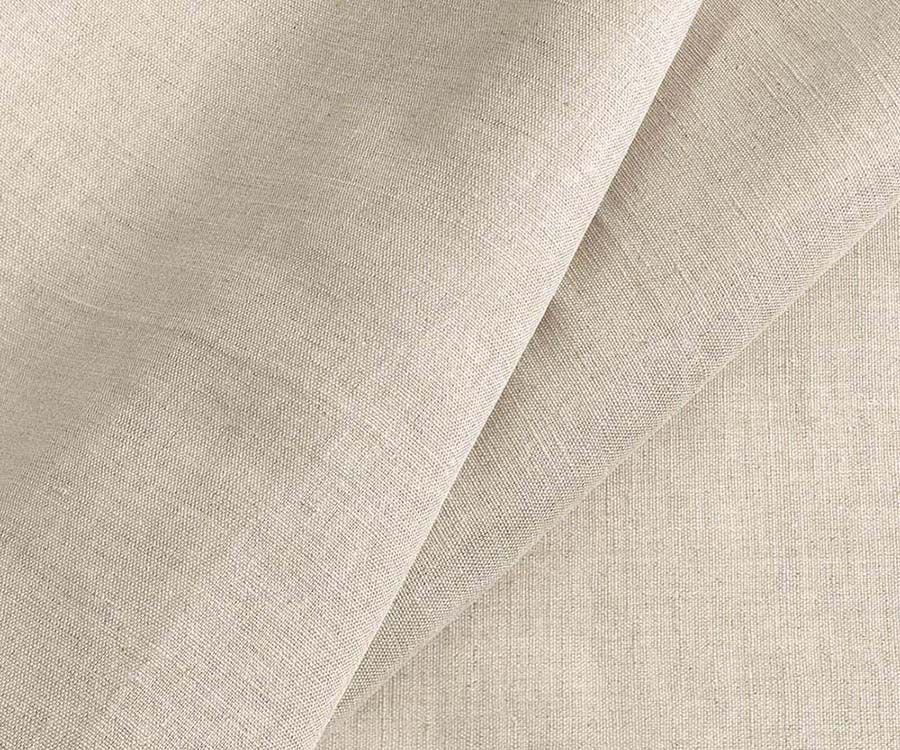
Linen is even more breathable and moisture-wicking than cotton, which is why it’s a popular choice for summer wear. It keeps the body cool in hot weather but is often a bit more textured than cotton, which gives it a rustic charm.
Silk is incredibly smooth and luxurious to the touch. Its natural temperature-regulating properties help it keep you warm in winter and cool in summer.
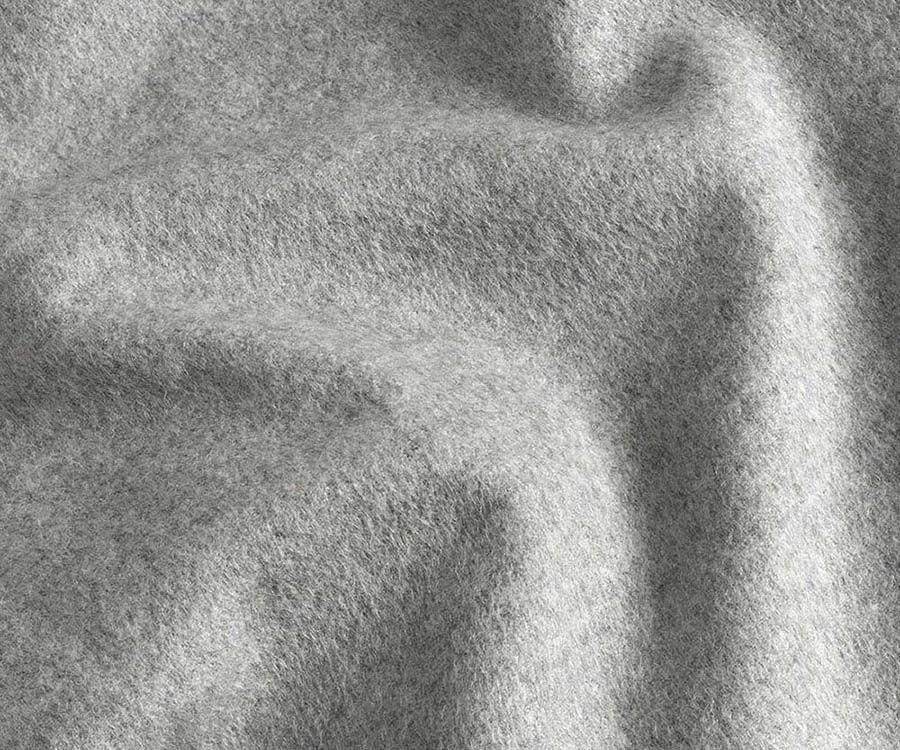
Wool, while more insulating, also offers moisture-wicking properties and keeps you comfortable in colder temperatures by trapping heat while allowing the body to breathe.
In contrast, synthetic fabrics like polyester and nylon can often trap moisture and heat against the skin. While fabrics like spandex or lycra are stretchable and provide comfort in activewear, they are not as breathable as cotton or wool. Polyester, in particular, can make you feel hot and sweaty, especially in warm weather, as it is not as moisture-absorbent as natural fabrics.
2. Durability and Maintenance
When it comes to durability and ease of maintenance, synthetic fabrics generally perform better than natural fibers. Synthetic fabrics are designed to withstand wear and tear better than natural fabrics, which can be prone to shrinkage, fading, and stretching over time.
Polyester is one of the most durable fabrics, resisting shrinking, stretching, and wrinkling. It also doesn’t require frequent ironing, making it low-maintenance.
Nylon is another durable synthetic fabric that resists damage from abrasion, making it ideal for outdoor gear and activewear. It’s lightweight and easy to care for.
Acrylic is often used as a wool substitute for sweaters and blankets, and it holds up well after multiple washes without pilling as easily as natural wool.
On the other hand, natural fabrics like cotton, linen, and wool are more susceptible to wear and tear. Cotton, for instance, can lose its shape after several washes and is prone to shrinking unless pre-washed. Linen is naturally strong but wrinkles easily, and wool can be prone to pilling and shrinking if not cared for properly. Silk requires gentle care, usually dry cleaning, and can lose its luster over time if not handled properly.
3. Environmental Impact
In recent years, the environmental impact of fabrics has come under greater scrutiny. While both natural and synthetic fabrics have their environmental footprint, they differ significantly in terms of sustainability and biodegradability.
Natural Fabrics:
Biodegradable: Natural fabrics like cotton, linen, wool, and hemp are biodegradable. When discarded, they break down over time and don’t contribute to long-lasting waste in landfills.
Water Use and Chemicals: While natural fibers are biodegradable, growing crops like cotton can require vast amounts of water and pesticides, which can be harmful to the environment. Organic cotton, however, uses fewer chemicals and less water.
Sustainability: Some natural fabrics like bamboo and hemp are considered eco-friendly due to their low environmental impact. Hemp, for example, requires little water and grows quickly without the need for pesticides.
Synthetic Fabrics:
Non-Biodegradable: Synthetic fabrics like polyester, nylon, and acrylic are made from petroleum-based resources and do not biodegrade easily. These materials can remain in landfills for hundreds of years.
Microplastics: Synthetic fabrics shed small fibers, or microplastics, during washing, which can end up in our oceans and contribute to pollution. This is a growing environmental concern.
Energy-Intensive: Producing synthetic fibers requires a significant amount of energy and chemicals, which adds to their environmental footprint.
4. Price and Accessibility
Synthetic fabrics have a clear advantage when it comes to price. Because they are mass-produced, synthetic fabrics like polyester and nylon are inexpensive to manufacture, making them widely available and affordable for consumers. Fast fashion brands often rely on synthetic fabrics for this reason.
In contrast, natural fabrics tend to be more expensive due to the costs associated with their cultivation, harvesting, and processing. Silk and cashmere, for instance, are considered luxury items due to their high cost. Cotton and linen are more affordable, but they still often come at a higher price point compared to synthetic options.
However, the price difference doesn’t always reflect the quality. Some synthetic fabrics, like spandex, can be more durable and functional for specific uses, like athletic wear or swimwear, while natural fabrics might be preferred for their comfort, breathability, and luxurious feel.
5. Wrinkle Resistance and Care
Another advantage of synthetic fabrics is their wrinkle resistance. Fabrics like polyester and nylon are resistant to wrinkling, making them ideal for travel or garments that need to maintain a smooth appearance throughout the day. Synthetic fabrics are also more resistant to staining and don’t require ironing as often, which makes them easier to care for.
On the other hand, natural fabrics like cotton, linen, and silk are prone to wrinkles and often require more effort to keep smooth. Linen, for example, wrinkles so easily that some people find it part of its charm, while others may consider it a drawback. Wool is more resistant to wrinkles, but it may require specific care (such as dry cleaning) to maintain its texture.
Conclusion: Which One Is Right for You?
When it comes to choosing between natural and synthetic fabrics, there is no one-size-fits-all answer. Both types of fabrics have their benefits and are suited for different uses. Natural fabrics are often preferred for comfort, breathability, and sustainability, while synthetic fabrics shine in areas like durability, ease of maintenance, and cost-effectiveness.
For environmentally-conscious consumers, organic natural fibers like hemp, organic cotton, and bamboo are excellent choices. Meanwhile, synthetic fibers like polyester and nylon are essential for creating lightweight, durable, and low-maintenance clothing for specific purposes, such as athletic wear and outerwear.
Ultimately, the best fabric for you will depend on your specific needs, lifestyle, and priorities, whether it’s comfort, cost, durability, or environmental impact. Consider the pros and cons of each, and choose the fabric that best aligns with your values and requirements.