Skip to content
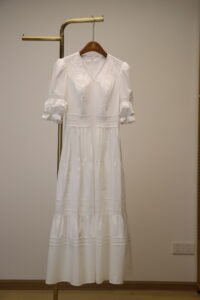
In the competitive world of fashion manufacturing, fabric selection is one of the most critical decisions when producing a premium dress. The right fabric not only defines the look and feel of the garment but also influences comfort, durability, brand perception, and production efficiency. For manufacturers and fashion brands aiming to deliver high-end dresses, understanding fabric characteristics is essential.
This manufacturer’s guide explores how to choose the best fabric for premium dresses, covering material types, performance factors, sustainability considerations, and production realities—while helping you align fabric choices with market demand and brand positioning.
Why Fabric Choice Matters in Premium Dress Manufacturing
Premium dresses are judged by more than design alone. Consumers expect luxury, comfort, longevity, and craftsmanship. Fabric plays a decisive role in delivering these qualities.
From a manufacturing standpoint, the right fabric can:
Enhance garment drape and silhouette
Improve wearer comfort and breathability
Support intricate tailoring and finishing
Reduce production defects and waste
Increase perceived value and retail price
Choosing the wrong fabric, however, can lead to fit issues, quality complaints, and increased costs.
Key Factors Manufacturers Must Consider When Selecting Fabric
Before choosing a fabric for premium dresses, manufacturers should evaluate the following criteria:
1. Fabric Quality and Hand Feel
Premium dresses require fabrics with a smooth texture, refined finish, and superior hand feel. Consumers often associate softness and fluidity with luxury.
2. Drape and Structure
The way fabric falls on the body determines the elegance of the dress. Structured gowns, flowing evening dresses, and tailored silhouettes all demand different draping qualities.
3. Breathability and Comfort
Even luxury garments must be wearable. Breathable fabrics improve comfort, especially for occasion wear or long events.
4. Durability and Longevity
Premium customers expect garments that maintain shape, color, and texture after repeated wear and cleaning.
Best Fabrics for Premium Dresses
Below are the most commonly used high-end fabrics for premium dress manufacturing, along with their advantages and ideal applications.
Silk: The Gold Standard of Luxury
Silk remains one of the most sought-after fabrics in premium fashion.
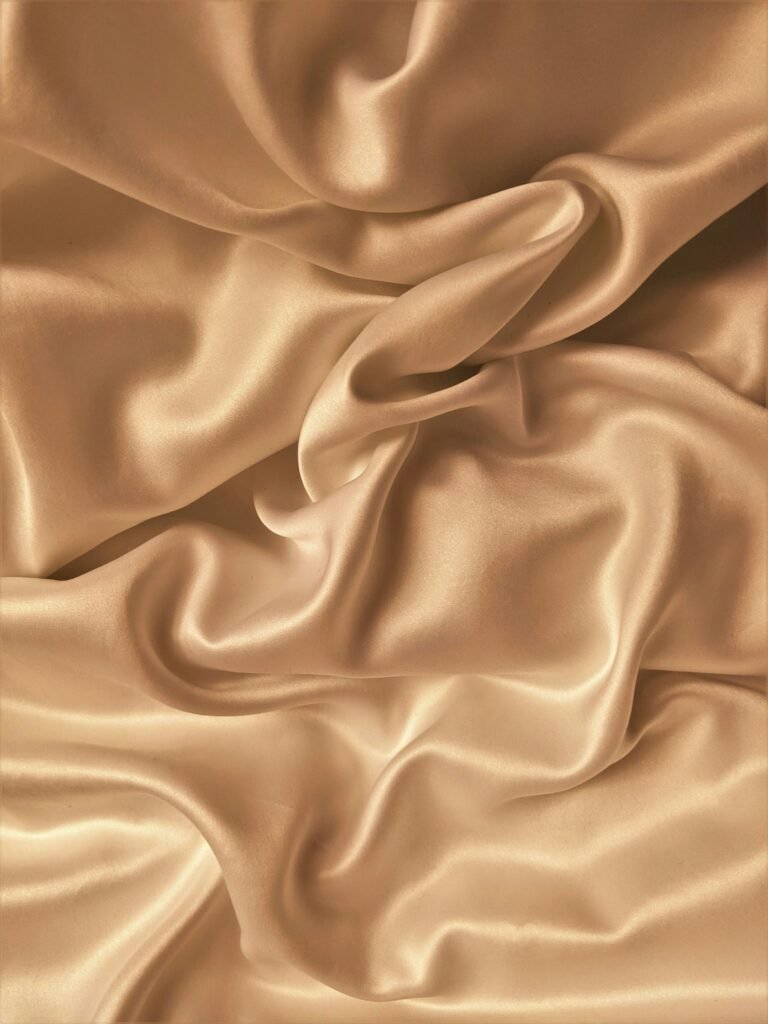
Why manufacturers choose silk:
Exceptional softness and natural sheen
Excellent drape for elegant silhouettes
Lightweight yet strong
Common silk types for dresses:
Silk satin – ideal for evening and bridal dresses
Silk chiffon – perfect for layered and flowing designs
Silk crepe – suitable for structured luxury dresses
Manufacturing considerations:
Silk requires delicate handling, precise cutting, and experienced stitching to prevent damage.
Satin: Glossy and Glamorous
Satin, whether silk-based or synthetic, is a staple in premium dress collections.
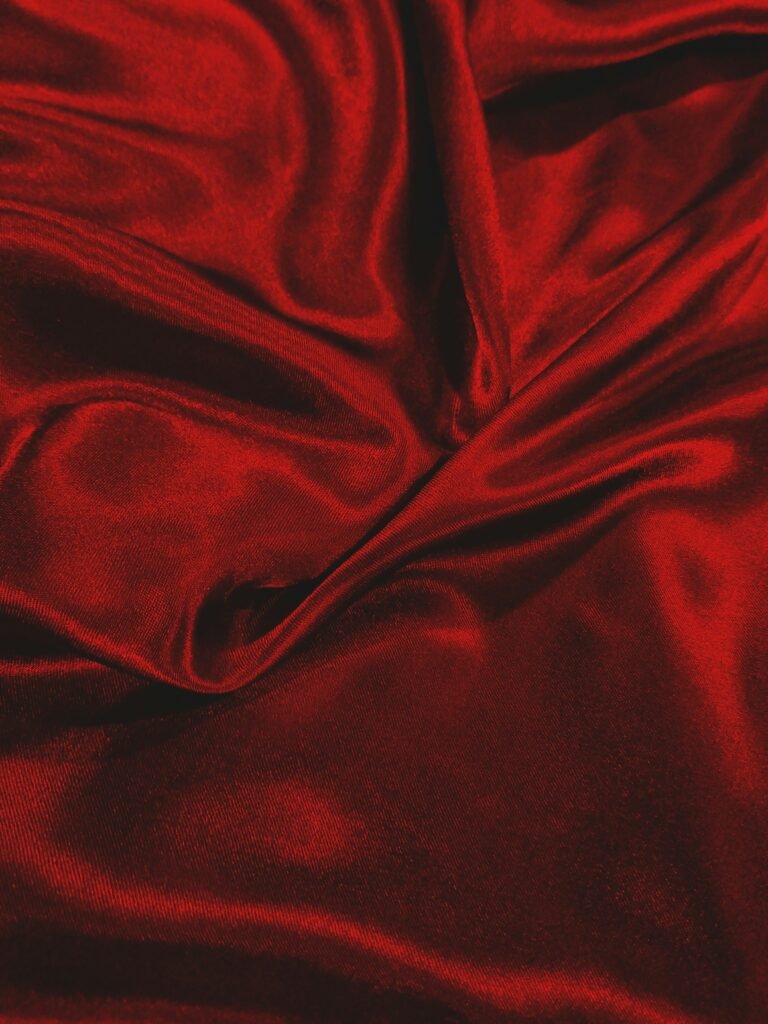
Advantages:
Smooth, glossy surface with elegant appeal
Excellent for formal, cocktail, and bridal dresses
Provides structure while maintaining fluidity
Best use cases:
Luxury evening gowns, slip dresses, and statement pieces.
Velvet: Rich Texture and Depth
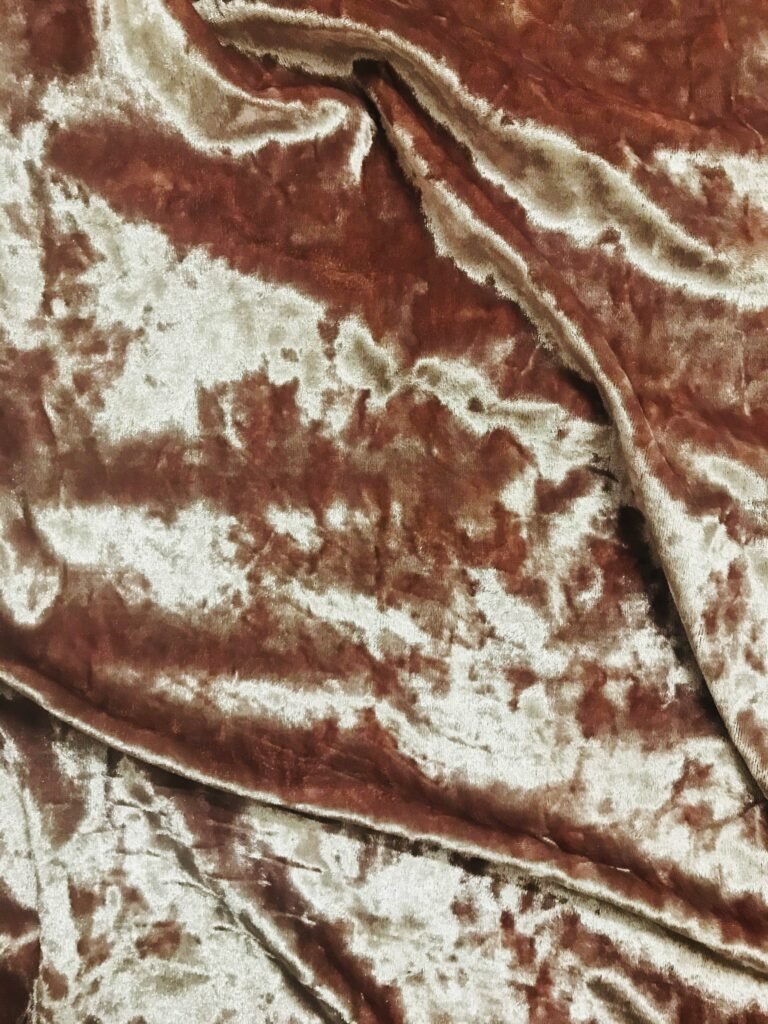
Velvet is synonymous with opulence and is popular in fall and winter collections.
Key benefits:
Plush texture with visual depth
Strong color saturation
Excellent for statement and occasion dresses
Production note:
Velvet requires careful cutting direction and specialized pressing techniques.
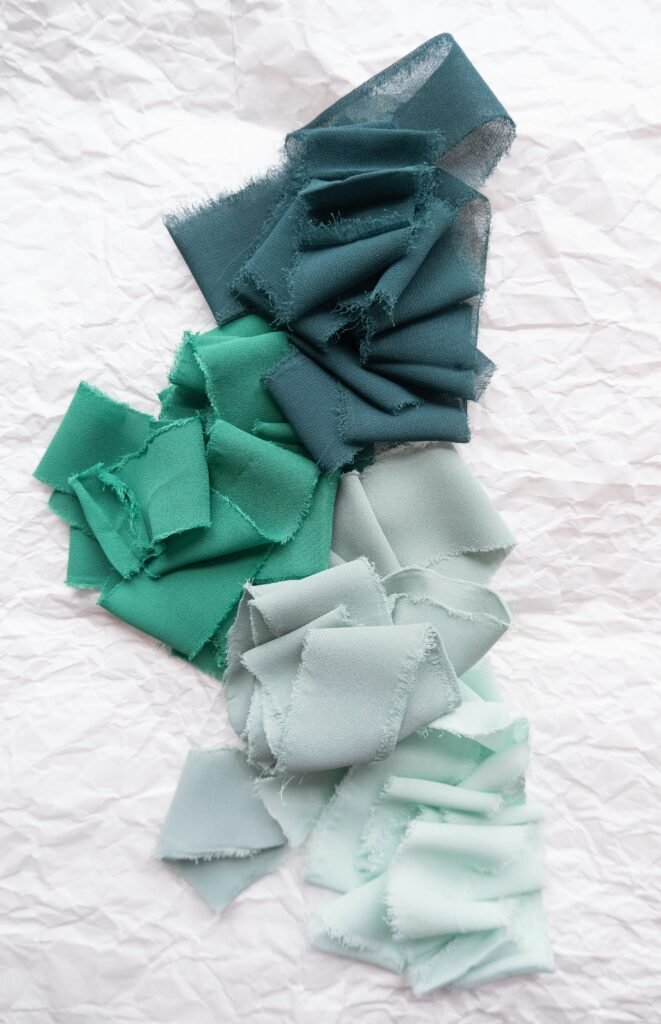
Chiffon: Lightweight Elegance
Chiffon is widely used for premium dresses requiring movement and softness.
Why it works:
Airy, lightweight, and sheer
Ideal for overlays, sleeves, and layered designs
Enhances feminine aesthetics
Challenges:
Its slippery nature demands skilled workmanship during manufacturing.
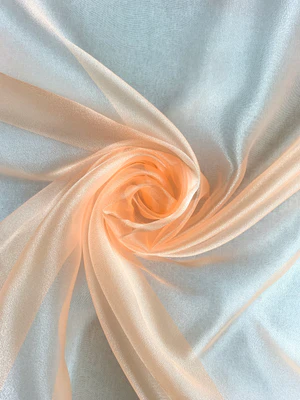
Organza: Structured Luxury
Organza offers stiffness combined with translucence, making it popular in couture-style dresses.
Best features:
Crisp structure for dramatic silhouettes
Excellent for skirts, overlays, and bridal wear
Adds volume without heaviness
Final Thoughts: Fabric as the Foundation of Premium Dresses
For manufacturers, fabric is not just a material—it is the foundation of premium dress quality. Selecting the right fabric requires balancing aesthetics, performance, sustainability, and production realities.
By understanding fabric behavior, market trends, and brand positioning, manufacturers can deliver dresses that meet the highest standards of luxury and craftsmanship.
In premium fashion, the right fabric transforms a dress from ordinary to exceptional.