Skip to content
If you’re planning to launch or scale a fashion brand, understanding dress production costs is not optional—it’s the difference between profit and painful losses. Many brands focus only on the quoted “per-piece price,” but the real cost of producing dresses includes fabric, labor, MOQs, sampling, logistics, and hidden fees that can quietly eat into your margins.
In this guide, we’ll break down how dress production costs are calculated, where brands often get surprised, and how you can control expenses without sacrificing quality. This article is optimized for brands sourcing from overseas manufacturers, especially in Asia and Europe.
1. Fabric Costs: The Biggest Variable in Dress Production
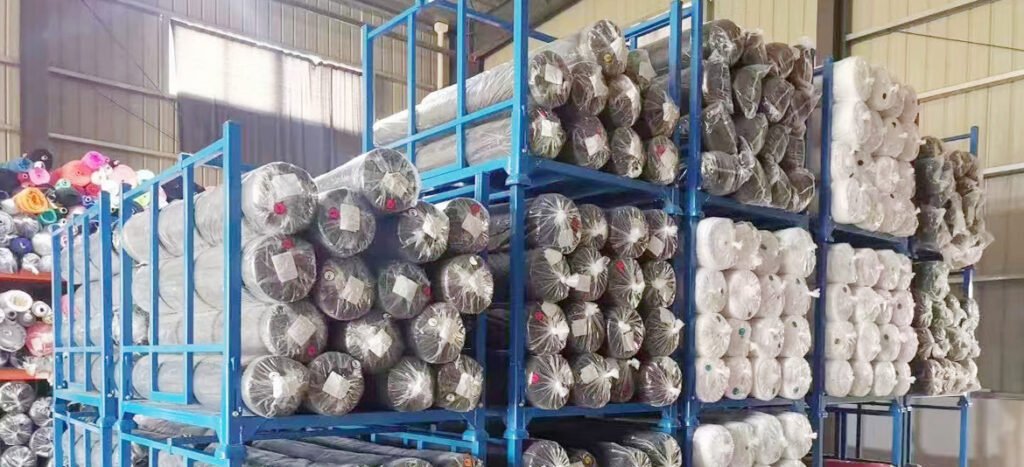
Fabric typically accounts for 40%–60% of total dress production cost, making it the most critical factor.
Key factors affecting fabric cost:
Fabric type: Cotton, polyester, viscose, silk, linen, wool
Quality & weight (GSM): Higher GSM = higher cost
Origin: Local vs imported fabric
Sustainability: Organic, recycled, or certified fabrics cost more
Dyeing & printing: Custom colors, digital prints, reactive dyes
Typical fabric cost ranges (per meter):
Polyester / blended fabrics: $1.5 – $4
Cotton / viscose: $3 – $7
Linen: $6 – $12
Silk / specialty fabrics: $12 – $30+
💡 Pro tip: Fabric wastage (usually 5%–10%) is often added silently to your cost. Always confirm whether fabric loss is included in the quote.
2. Labor Costs: More Than Just Sewing
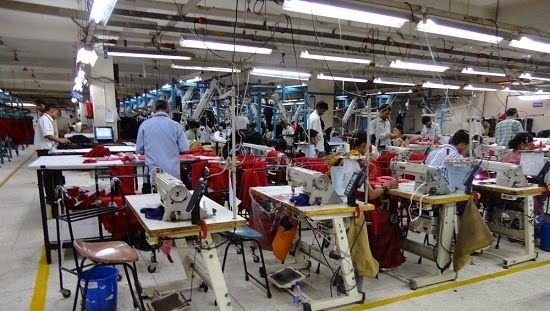
Labor is not just about stitching. A single dress goes through multiple skilled processes.
Labor cost components:
Pattern making
Sample sewing
Cutting
Sewing
Pressing & finishing
Quality inspection
Packaging
What affects labor cost?
Design complexity (ruffles, pleats, boning, lining)
Construction details (zippers, embroidery, handwork)
Fit requirements (tailored vs loose fit)
Country of production
Approximate labor cost per dress:
Simple casual dress: $4 – $8
Structured or tailored dress: $8 – $15
High-end or embellished dress: $15 – $30+
⚠️ Brands often underestimate labor costs when adding “small details” that require manual work.
3. MOQ (Minimum Order Quantity): The Cost Multiplier
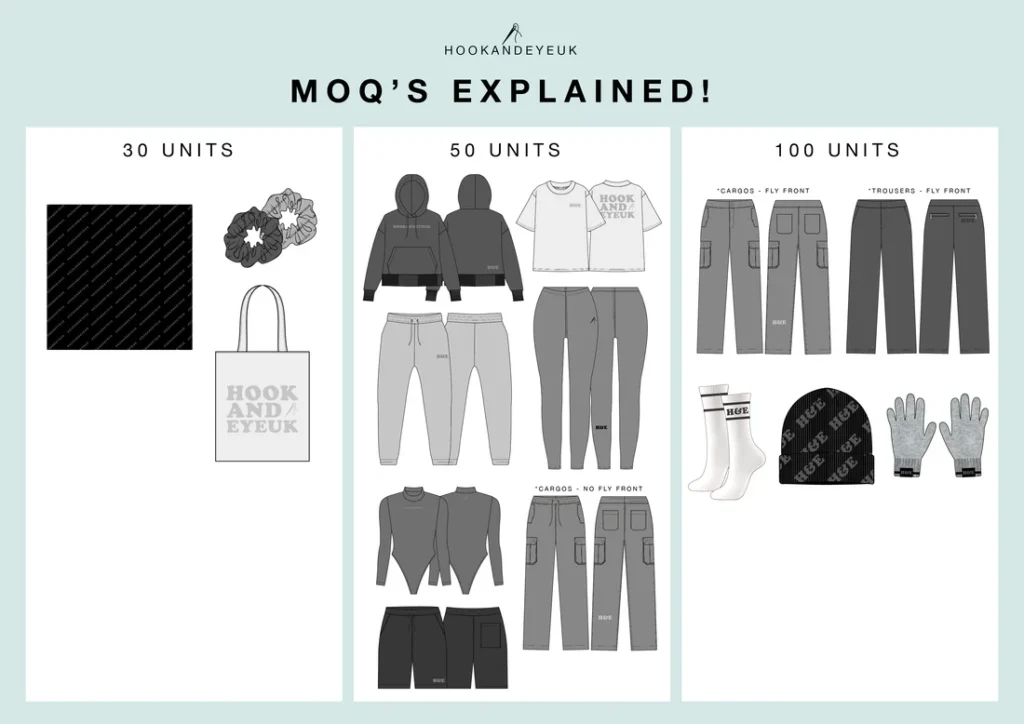
MOQ directly impacts your unit price and cash flow.
Typical MOQs in dress manufacturing:
Small workshops: 50–100 pcs/style
Medium factories: 200–300 pcs/style
Large factories: 500–1000 pcs/style
Why MOQs matter:
Lower MOQs = higher fabric and labor cost per unit
Factories spread setup costs across fewer pieces
Custom fabric usually has higher MOQs than sewing
💡 Smart strategy: Start with stock fabrics to reduce MOQ and cost for early collections.
4. Sampling & Development Costs (Often Overlooked)
Before bulk production, you’ll pay for sampling, even if factories don’t highlight it upfront.
Common sampling fees:
Pattern making: $50 – $150
First sample: $50 – $120
Revised samples: $30 – $80 each
Size set samples: $100 – $300
Some factories refund sample fees after bulk orders—but never assume. Always confirm in writing.
5. Trims, Accessories, and Packaging Costs
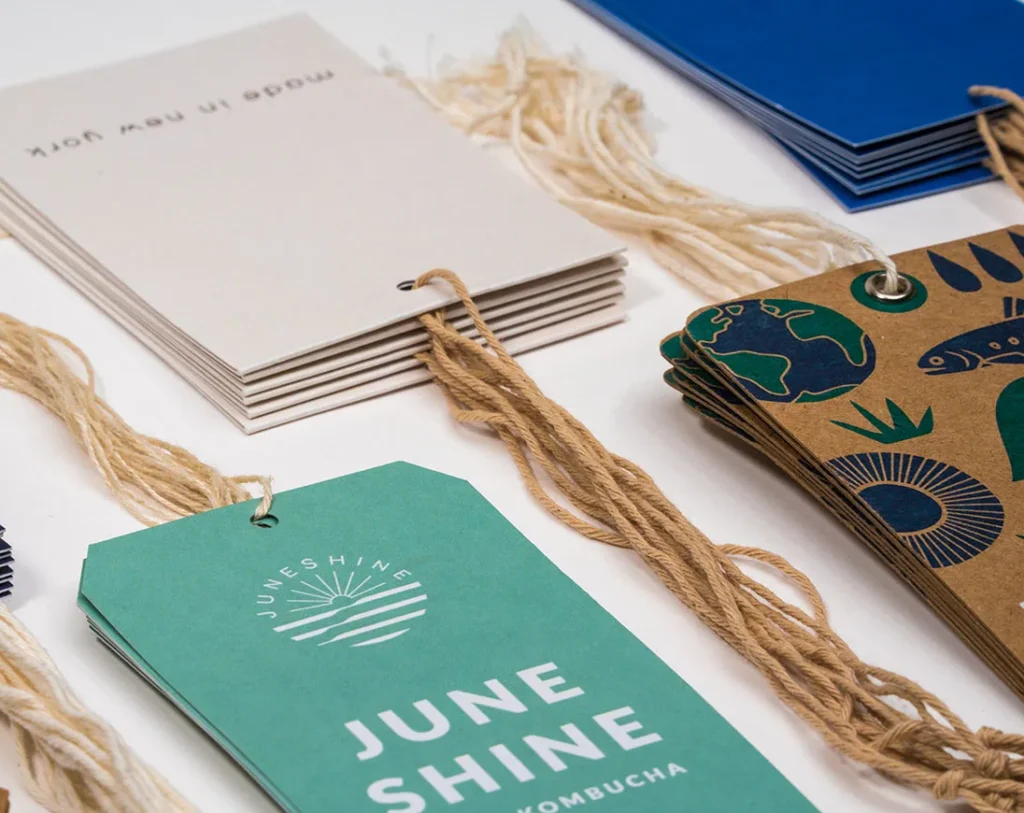
Small items add up quickly when scaled.
Typical trim & accessory costs:
Zippers: $0.20 – $0.80
Buttons: $0.05 – $0.30 each
Lining fabric: $1 – $3
Labels & hang tags: $0.20 – $0.60
Polybag + carton: $0.30 – $0.80
Hidden risk: Custom trims often come with their own MOQs.
6. Hidden Fees That Brands Often Miss
This is where budgets quietly explode.
Common hidden costs:
Fabric testing (AZO, colorfastness, shrinkage)
Third-party QC inspections
Rework or remake costs
Pattern revisions after fitting issues
Overtime production charges
Currency exchange fluctuations
Bank transfer fees
Port congestion or peak-season surcharges
💥 These costs don’t appear in the “per-unit quote” but directly affect your landed cost.
7. Shipping, Duties, and Landed Cost
Your final cost is not complete until the dresses reach your warehouse.
Logistics cost factors:
Air vs sea freight
Shipping volume (CBM)
Destination country
Import duties & VAT
Customs clearance fees
Example:
Factory price: $18/dress
Shipping + duties: $4–7/dress
Real landed cost: $22–25/dress
Always calculate landed cost, not just FOB or EXW pricing.
Final Thoughts
Understanding dress production cost is about seeing the full picture, not just the unit price. Fabric, labor, MOQ, sampling, trims, logistics, and hidden fees all work together to determine whether your collection succeeds financially.
If you’re serious about building a sustainable fashion brand, invest time in cost analysis early—it’s far cheaper than fixing mistakes after production.