Skip to content
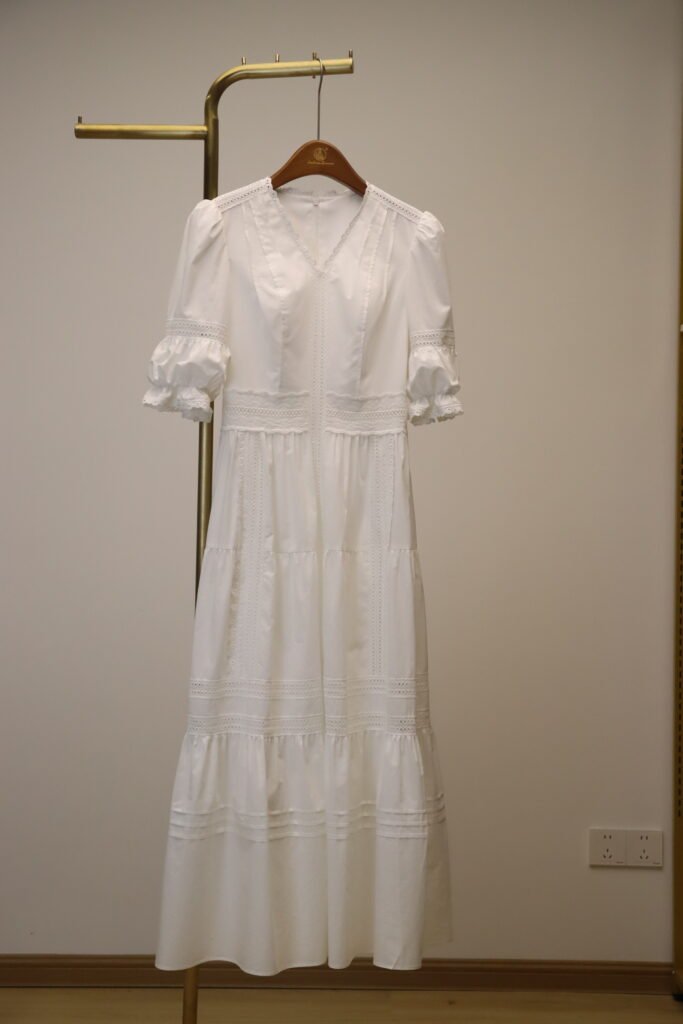
In the field of fashion R&D, “flat display appearance” is often regarded as a dominant indicator of design completion. However, our company’s latest independently developed dress series breaks the industry’s inertial cognition with its “non-flat hanging state”. The core logic lies in returning to the essence of clothing serving the human body and reconstructing the collaborative relationship between version and fabric with a three-dimensional design thinking.
I. Design Concept: Paradigm Innovation from “Hanger Aesthetics” to “Ergonomic Adaptation”
Traditional fashion design is mostly oriented towards “static display effect”, leading to problems such as version misalignment and fabric constraint in dynamic human scenarios. In this independent R&D, we have established a design methodology centered on the three-dimensional structure of the human body, which is specifically reflected in:
- Version R&D Dimension: Adopting 3D draping technology, we have established dynamic models based on core human body data such as women’s shoulder width, arm circumference, and waist-hip ratio. Through more than 30 version iterations, the “natural wrinkles” of the finished garment in static display are exactly the version reserved space for dynamic human activities.
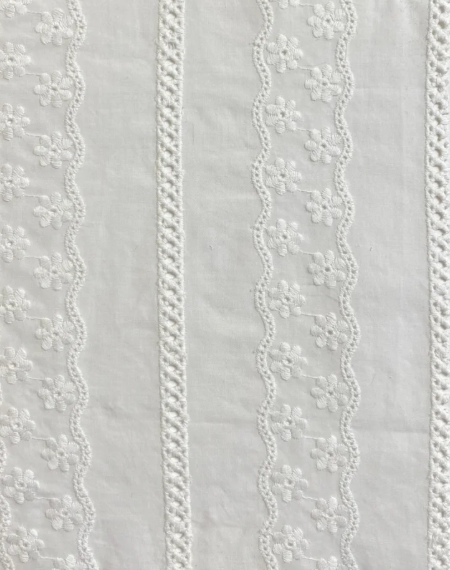
- Fabric Selection Dimension: Selecting cotton-linen blended functional fabrics, which possess the dual attributes of “static stiffness” and “dynamic ductility”. The three-dimensional wrinkles formed by the fabric’s rigidity in static display will naturally stretch with body movements when worn, achieving a performance balance of “static shape and dynamic freedom”.
II. Technological Innovation: Engineering Implementation of Details in Independent R&D
To transform the “human adaptation” concept into quantifiable process standards, the R&D team has achieved technological breakthroughs in the following aspects:
(I) Parametric Control of Structural Design
- For the puff sleeve component, through the parametric linkage design of sleeve cap height and armhole arc length, the sleeve shape presents a fluffy three-dimensional form when hanging, and dynamically adjusts the fit according to the arm circumference when worn, solving the traditional contradiction between “display aesthetics” and “wearing mobility”.
- The waist dart process adopts multi-dimensional dart combination technology, decomposing the traditional single dart into composite three-dimensional darts. This transforms the “non-flat feeling” during display into the waist-hip curve shaping ability when worn. Tests have shown that it can improve the visual optimization of waist-hip ratio by more than 15%.
(II) Functional Implantation of Detail Craftsmanship
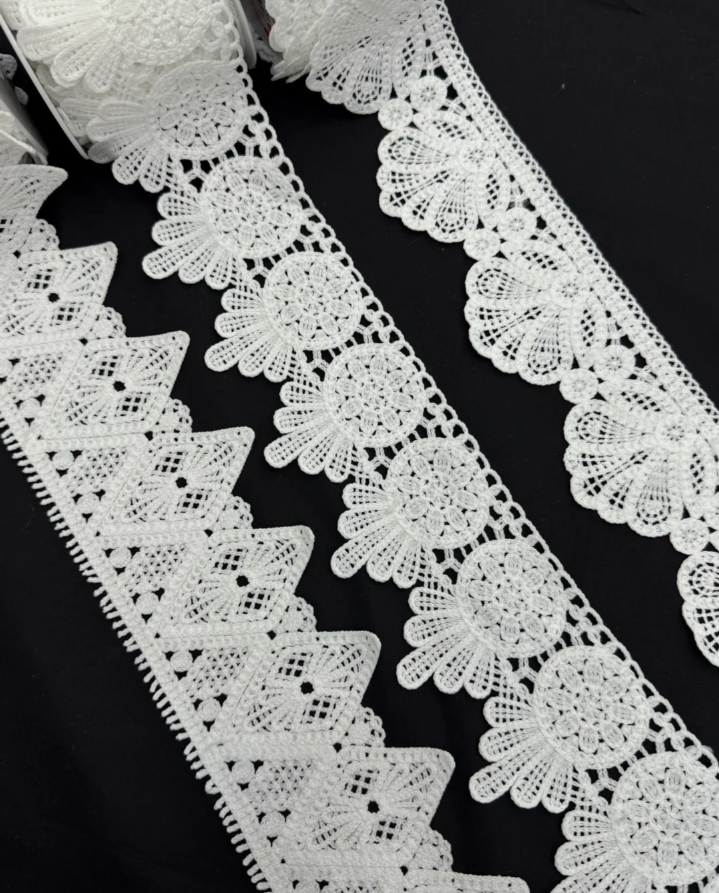
- The lace splicing at the neckline adopts lightweight hollow-out technology. While ensuring decorativeness, fabric air permeability tests have verified that its air permeability is 20% higher than that of conventional lace, solving the compatibility problem between delicacy and comfort.
- The multi-layer skirt structure uses gradient pleat distribution technology. Based on human gait dynamics data, the pleat volume from the waist to the skirt hem increases step by step, making the skirt hem present a natural rhythmic sense when walking dynamically. Analysis by motion capture system shows that its dynamic aesthetic completion reaches the industry-leading level.
III. R&D Value: Promoting the Return of the Essence of Fashion Design through Independent Innovation
The core value of this independently developed dress series lies in establishing a closed-loop logic of “human demand – design R&D – process implementation”:
- From the design end, it breaks the inertial thinking of “centering on hangers” and takes ergonomics as the underlying logic of version R&D.
- From the process end, through the combination of parametric design and functional craftsmanship, it transforms “human adaptation” from a concept into quantifiable and replicable technical standards.
- From the industry end, it provides a new value reference dimension for independent fashion R&D – the ultimate value of clothing does not lie in the perfection of static display, but in the human adaptation and aesthetic expression during dynamic wearing.
The “non-flat hanging state” of this series of dresses is actually a dominant symbol of ergonomic design. It marks that our company has advanced from “style innovation” to “systematic innovation of functional and aesthetic coordination” in the independent R&D path, providing a valuable practical sample for the R&D upgrading of the fashion industry.